

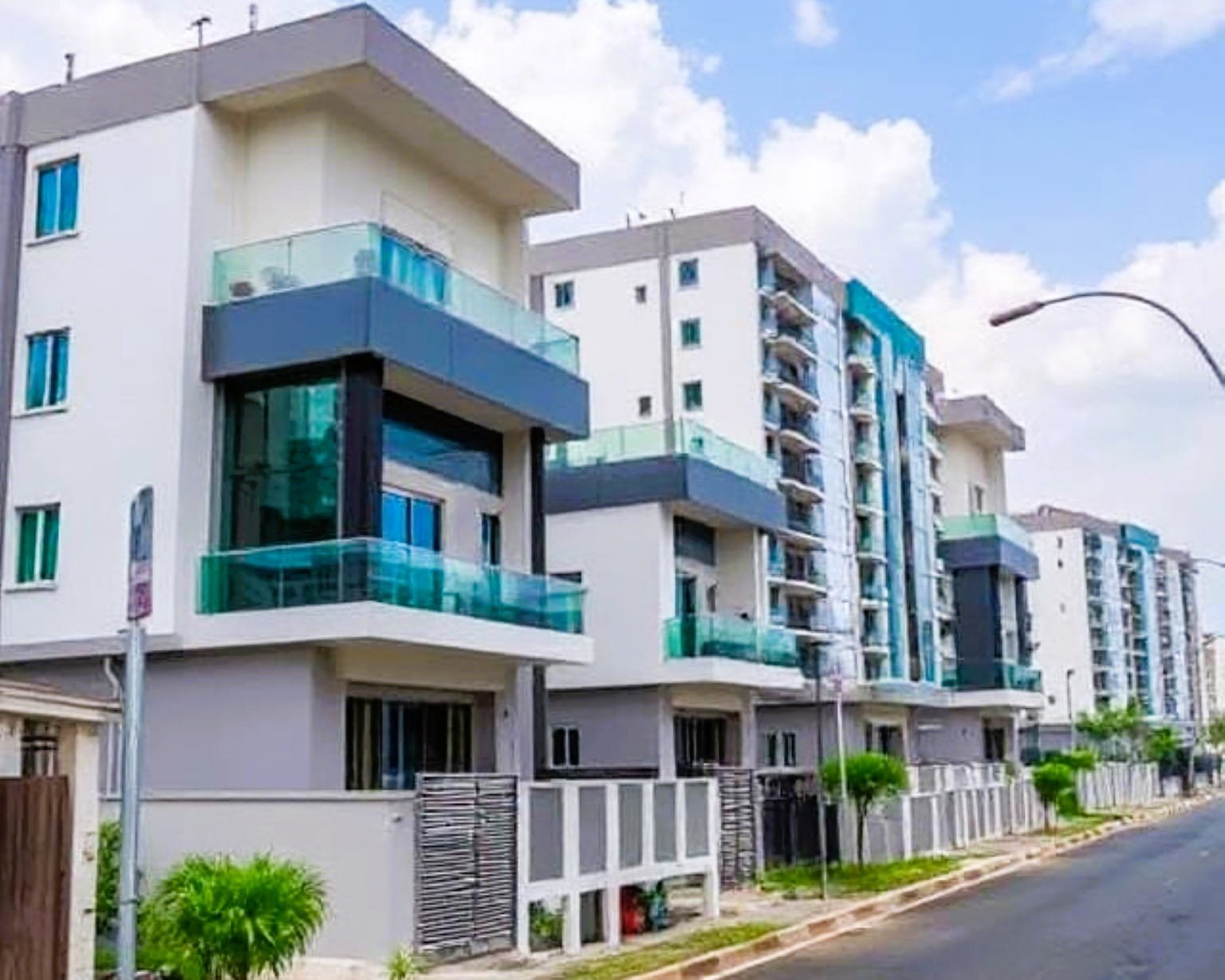
What Makes Lekki Properties Attractive to International Investors?
Introduction
Lekki has become the beating heart of luxury and opportunity in Lagos State, Nigeria. Once an undeveloped peninsula, the area has evolved into a thriving urban corridor that now hosts the most ambitious real estate developments in the country. From elegant waterfront estates to high-rise apartments, Lekki’s transformation has captured global attention.
For international investors—especially Nigerians in the diaspora, Africans in business, and foreign corporations—Lekki represents far more than a real estate hotspot. It embodies growth, resilience, and profitability. The district’s location, infrastructure, legal framework, and lifestyle advantages have made it the destination of choice for those seeking stable, long-term property investments in West Africa.
This article explores in detail what makes Lekki properties attractive to international investors, examining economic factors, legal assurances, development trends, and investment returns. It also includes a case study of a real-world investor experience, a detailed breakdown of opportunities and challenges, and a FAQ section to help guide potential investors.
The Economic Magnetism of Lekki
At the core of Lekki’s allure is its economic dynamism. Lagos is Nigeria’s commercial powerhouse, generating over 30% of the nation’s GDP. Lekki, as its most rapidly developing district, plays a pivotal role in that success story.
The area is home to the Lekki Free Trade Zone, Dangote Refinery and Petrochemical Complex, Lekki Deep Sea Port, and numerous multinational corporations. These developments attract thousands of professionals, foreign workers, and executives who seek upscale housing close to their workplaces. The resulting housing demand drives steady property appreciation and robust rental yields.
In addition, Lekki’s close proximity to Victoria Island and Ikoyi connects it directly to Nigeria’s corporate elite, creating a seamless environment for business and luxury living. For investors, this means constant demand and liquidity. Properties rarely stay on the market long, and rental prices continue to rise despite economic fluctuations.
Strategic Location and Accessibility
Lekki’s strategic position cannot be overstated. It serves as the bridge between the Lagos Island financial hub and the expanding new city toward Epe. Bordered by the Atlantic Ocean and the Lagos Lagoon, it offers both scenic and economic advantages.
The area’s main artery, the Lekki-Epe Expressway, ensures swift connectivity to Victoria Island, Ikoyi, and Ajah, while the Lekki-Ikoyi Link Bridge provides direct access to the central business district. Future infrastructure projects such as the Fourth Mainland Bridge, Lekki Airport, and Coastal Road will further enhance its accessibility.
For international investors, accessibility equates to convenience, development prospects, and assurance that property value will continue to rise. Easy entry and exit routes make Lekki ideal for both short-term rentals and long-term appreciation.
Infrastructure and Urban Planning
Lekki’s planned urban development distinguishes it from many other areas in Lagos. Estates are designed with organized layouts, paved roads, underground drainage, and reliable electricity. Major private developers like UPDC, HFP Engineering, and Mixta Africa have created communities that rival those in Dubai or South Africa.
Key developments such as Pinnock Beach Estate, Friends Colony, Northern Foreshore, Lekki Gardens, and Pearl Gardens have set high standards for design, infrastructure, and community management. Modern shopping malls, schools, hospitals, and recreation centers make Lekki self-sufficient.
This urban sophistication appeals strongly to foreign investors accustomed to structured real estate environments. They can invest confidently knowing that their properties exist within well-regulated and managed neighborhoods.
Legal Framework and Investment Security
Foreign investors prioritize legal clarity, and Lagos offers one of the most advanced property legal frameworks in Nigeria. Land transactions in Lekki are governed by the Land Use Act, Property and Conveyancing Law, and Lagos State Land Registration Law.
Most premium Lekki properties come with verified titles such as:
-
Certificate of Occupancy (C of O)
-
Governor’s Consent
-
Registered Deed of Assignment
-
Excision and Gazette
These titles can be verified directly at the Lagos State Land Registry. This transparency and government oversight protect international buyers from fraudulent claims or double sales.
Additionally, the availability of professional legal firms like Chaman Law Firm, which specialize in property law and title perfection, gives international investors the confidence to navigate complex documentation and ensure lawful ownership.
Currency Diversification and Wealth Preservation
Investing in Lekki property allows international investors to diversify their portfolios beyond volatile currencies. With real estate denominated in Nigerian naira but pegged to tangible assets, it serves as a hedge against inflation and currency depreciation.
Diaspora investors often buy properties in Lekki using dollars or pounds, and because land and luxury property values rise consistently, their investments act as long-term wealth preservation instruments. Over the past decade, average property prices in Lekki have increased by more than 250%, outperforming many African markets.
This steady appreciation makes Lekki particularly attractive for global investors looking for safe-haven assets in Africa’s largest economy.
High Rental Yield and Short-Let Potential
Lekki’s rental market is one of the most lucrative in Nigeria. With its concentration of expatriates, oil workers, diplomats, and professionals, demand for high-quality housing remains constant.
Short-let apartments—especially in Lekki Phase 1, Chevron Drive, and Ikate—yield up to 25% annually. Long-term rentals in gated estates generate between 6% and 12% per annum. Luxury duplexes and waterfront villas are in constant demand by corporate tenants who pay premium prices for comfort and proximity to business districts.
This rental potential ensures that international investors earn continuous income while their assets appreciate in value.
Ease of Property Acquisition for Foreign Investors
Lagos State allows foreigners to acquire property through:
-
Direct individual purchase with valid immigration documents.
-
Incorporation of a Nigerian company under the Companies and Allied Matters Act (CAMA).
-
Joint ventures with Nigerian citizens or developers.
Foreign investors can also hold land for 99 years under a leasehold system recognized by law. The process involves the same due diligence steps applicable to Nigerian buyers—verification of title, execution of a Deed of Assignment, payment of stamp duties, and registration at the Land Registry.
Engaging an experienced property lawyer ensures that every transaction complies with Nigerian property laws and that foreign ownership rights are fully protected.
Government Policies Encouraging Foreign Investment
The Lagos State Government actively encourages real estate investments through:
-
The Lekki Free Trade Zone policy, which allows duty-free and tax-friendly operations.
-
Simplified land registration processes under the e-Governor’s Consent system.
-
Partnerships with private developers for infrastructural projects.
-
Continuous security and road upgrades across the Lekki-Epe corridor.
These initiatives send a clear signal to international investors that Lekki is open for business, safe for capital inflow, and structured for long-term prosperity.
Technology and Smart Home Integration
Lekki is rapidly embracing technology. New developments integrate smart home features such as keyless entry, remote lighting, solar power systems, and 24-hour surveillance. Estates like Pinnock Beach, Ocean Bay, and Chevron Smart City attract tech-savvy investors who value modern automation.
The use of technology extends to real estate transactions as well—investors can verify titles online, sign digital contracts, and conduct remote property inspections through virtual tours. This digital transformation simplifies investment for diaspora Nigerians and foreign buyers.
Environmental Appeal and Sustainability
Lekki’s coastal beauty adds to its investment charm. The presence of beaches, lagoons, and conservation parks such as the Lekki Conservation Centre makes it an attractive residential environment. Developers increasingly adopt sustainable practices—green roofing, solar energy, and flood-control systems—to appeal to environmentally conscious buyers.
Eco-friendly estates have become a new trend, attracting international investors who prioritize sustainable development.
Comparative Advantage Over Other African Markets
Compared to similar real estate hubs in Ghana, Kenya, or South Africa, Lekki offers relatively low entry prices for luxury properties and higher appreciation potential. While a prime property in Accra’s Cantonments may cost $1 million, an equivalent in Lekki could cost $600,000 with better growth prospects.
Nigeria’s population size, consumer base, and economic resilience provide a competitive advantage. As Africa’s largest economy, Nigeria guarantees long-term housing demand—especially in strategic districts like Lekki.
Diaspora Investment Influence
A significant proportion of Lekki’s luxury real estate is owned by Nigerians in the diaspora. These investors trust Lekki because:
-
It offers legal documentation accessible from abroad.
-
There are reliable property management companies handling rentals.
-
It provides emotional and financial connection to home.
Diaspora investors contribute billions annually to Nigeria’s property market, and Lekki absorbs a major share of that capital due to its sophistication, proximity to the business district, and international appeal.
Real Estate Appreciation Trends
From 2010 to 2025, land prices in Lekki Phase 1 grew from approximately ₦20 million per plot to over ₦250 million. In Chevron and Ajah corridors, plots that sold for ₦5 million in 2010 now exceed ₦70 million.
This consistent appreciation is driven by infrastructure, demand, and limited land availability. For international investors, this pattern mirrors property markets in global cities, providing predictable growth and profitable exit options.
Case Study: How an International Investor Profited from Lekki Property
In 2016, Mr. Adewale, a Nigerian-American engineer living in Houston, decided to diversify his portfolio by investing in Nigeria’s real estate. He contacted agents online and shortlisted properties in Lekki. Instead of purchasing directly, he engaged a reputable property lawyer in Lagos to conduct due diligence.
The lawyer verified the property’s title—a valid Governor’s Consent—and ensured all fees were up-to-date. Mr. Adewale purchased a four-bedroom duplex in Chevron Drive for ₦85 million. The property was rented to a multinational company for ₦6.5 million annually.
By 2025, the duplex’s value had risen to ₦230 million. He refinanced the property, purchased two additional houses in Osapa and Orchid Road, and later established a family trust managed by his legal representatives in Nigeria.
His story demonstrates how international investors can secure long-term wealth through verified property investments in Lekki while maintaining full legal and financial control.
Common Pitfalls to Avoid
While Lekki offers immense potential, investors should be cautious of:
-
Unverified agents or fake property listings.
-
Unregistered survey plans.
-
Properties under government acquisition.
-
Incomplete title documentation.
-
Developers lacking approval from the Lagos State Physical Planning Authority.
Legal guidance is the best protection. Every investor should engage a qualified property lawyer to conduct verification at the Land Registry and handle documentation.
Legal Steps to Safeguard International Investors
To secure their investment, foreign buyers should:
-
Engage a property lawyer to verify title authenticity.
-
Conduct a physical inspection and valuation.
-
Obtain a valid Deed of Assignment.
-
Pay all statutory fees (stamp duty, consent fee, registration fee).
-
Register the transaction at the Land Registry.
-
Obtain Governor’s Consent as proof of ownership.
This process ensures compliance with Lagos State law and prevents future disputes.
Opportunities in Commercial and Industrial Investment
Beyond residential housing, international investors are eyeing Lekki for commercial and industrial real estate. The Lekki Free Trade Zone provides massive opportunities for warehouses, logistics centers, retail outlets, and hospitality projects.
The ongoing Dangote Refinery and Lekki Deep Sea Port developments have increased the demand for corporate housing, office spaces, and business parks. Investors can tap into this commercial segment through joint ventures with local developers or direct property acquisitions.
Socio-Cultural Appeal and Lifestyle Value
Lekki offers the perfect balance between business and lifestyle. The presence of elite schools, international hospitals, golf courses, beach resorts, and shopping malls creates a cosmopolitan atmosphere similar to global cities.
For international investors who eventually relocate or spend part of the year in Nigeria, Lekki provides a community that matches their expectations in terms of luxury, safety, and convenience. This lifestyle component enhances property value and long-term desirability.
Real Estate Financing for Foreign Investors
Foreign buyers can access financing options through Nigerian banks offering mortgage facilities for diaspora clients. Banks such as Stanbic IBTC, Access Bank, and First Bank run diaspora mortgage programs with flexible payment terms.
Alternatively, investors can establish partnerships with developers to co-finance construction or purchase off-plan projects at discounted rates. Off-plan investments in Lekki often yield 30% to 50% appreciation before project completion.
Future Prospects and Vision 2030
The Lagos State Government’s Smart City Vision 2030 positions Lekki as a modern city integrating technology, sustainability, and urban resilience. Planned infrastructure includes:
-
Lekki International Airport.
-
Coastal highway to Epe.
-
Fourth Mainland Bridge.
-
New water transport terminals.
These developments guarantee continued demand for property, ensuring that international investors who buy today will benefit from tomorrow’s urban transformation.
FAQs
1. Why do foreign investors prefer Lekki to other parts of Lagos?
Because it offers secure land titles, organized estates, world-class infrastructure, and high returns on investment.
2. Can foreigners legally own land in Lekki?
Yes. Foreigners can buy property individually or through registered Nigerian companies under the Land Use Act provisions.
3. How can I verify property documents from abroad?
Engage a Lagos-based property lawyer to conduct searches at the Land Registry and provide certified verification reports.
4. What is the average return on investment in Lekki real estate?
Annual returns range between 10% and 25%, depending on location, property type, and management efficiency.
5. Are there risks of fraud?
Yes, especially from unverified agents. Always transact through reputable law firms and developers.
6. Which areas in Lekki attract the most foreign investors?
Lekki Phase 1, Chevron Drive, Ikate, Pinnock Beach Estate, and Ibeju-Lekki near the Free Trade Zone.
7. What legal documents must I have after buying?
Deed of Assignment, Governor’s Consent, Survey Plan, and Receipts of Payment.
8. Can I buy property in Lekki while living abroad?
Yes. You can authorize a lawyer through a Power of Attorney to handle the process on your behalf.
9. How long does it take to process Governor’s Consent?
Typically between 60 and 120 days, depending on document accuracy.
10. What are the tax implications?
Buyers must pay stamp duties, registration fees, and annual Land Use Charge. A tax consultant can optimize compliance.
Conclusion
Lekki’s transformation from a coastal suburb to a global real estate powerhouse is no accident—it reflects strategic urban planning, government vision, and investor confidence. The district’s combination of location, infrastructure, lifestyle, and legal security has made it the most attractive property market in Nigeria for international investors.
Whether you are a diaspora Nigerian seeking a home base, a corporate investor exploring rental income, or a global developer targeting high-growth African markets, Lekki offers unmatched potential.
However, success in property investment depends on due diligence and legal compliance. Working with a professional property lawyer ensures that every transaction is transparent, verified, and protected by law.
Chaman Law Firm specializes in real estate law, property verification, title perfection, and estate planning for both local and international investors. Our team of experienced lawyers helps clients acquire properties safely and confidently anywhere in Lekki and Lagos State.
Contact Us
📞 0806 555 3671, 08096888818, 08024200080 📧 chamanlawfirm@gmail.com 📍 Chaman Law Firm 115, Obafemi Awolowo Way, Allen Junction, Beside Lagos Airport Hotel, Ikeja, Lagos 🌐 www.chamanlawfirm.com 👉 Book a consultation now: www.chamanlawfirm.com/book-consultationYour right, we protect. Partner with us today to secure your next Lekki property investment—with peace of mind and professional excellence.
