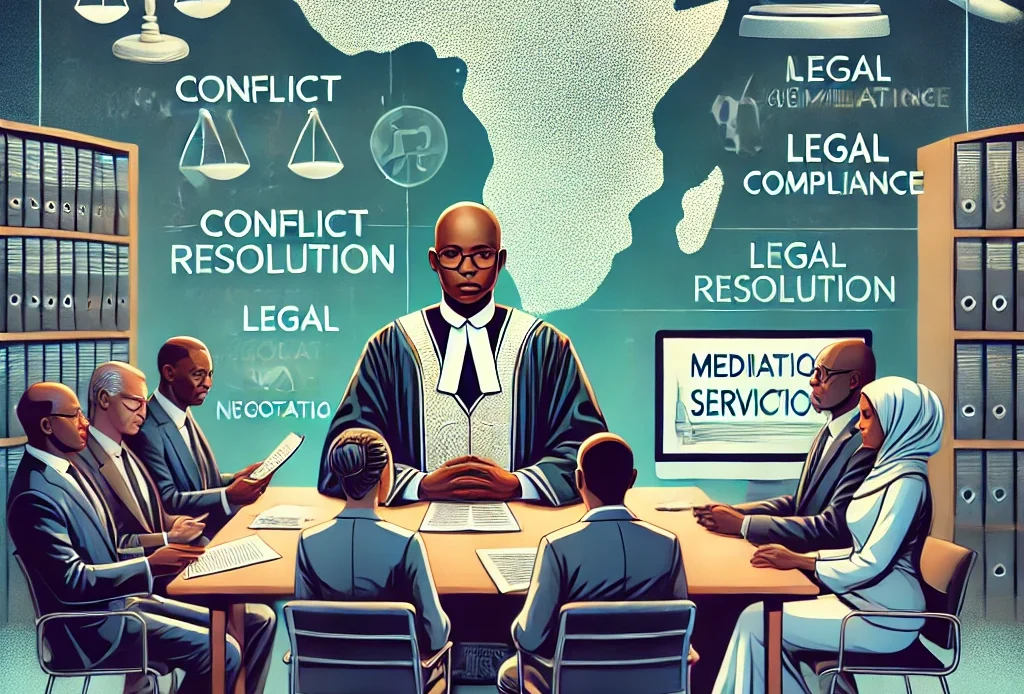
At Chaman Law Firm, we believe that disputes can often be resolved more effectively outside of the courtroom. Mediation provides an opportunity for parties to work together with the assistance of a neutral third party to find mutually acceptable solutions. Our Mediation Services are designed to foster collaboration, reduce conflict, and achieve fair resolutions while saving time and resources.
What Is Mediation?
Mediation is an Alternative Dispute Resolution (ADR) process where a neutral mediator helps parties communicate, understand each other’s positions, and reach a mutually agreeable settlement. Unlike litigation or arbitration, mediation focuses on collaboration rather than confrontation, offering a less adversarial approach to resolving disputes.
Key Features of Mediation
1. Voluntary Process
Parties participate willingly and retain control over the outcome.
2. Neutral Mediator
The mediator does not take sides but facilitates constructive dialogue and negotiations.
3. Confidentiality
Mediation proceedings are private, and discussions cannot be disclosed or used in court.
4. Flexibility
Mediation allows for creative and tailored solutions that meet the unique needs of the parties involved.
5. Non-Binding
Agreements are non-binding until both parties formalize them, ensuring voluntary consent.
Types of Disputes Handled Through Mediation
1. Family Disputes
Divorce settlements, child custody, and property division.
2. Workplace Conflicts
Employer-employee disputes, wrongful termination, and workplace harassment claims.
3. Commercial Disputes
Breach of contract, partnership disagreements, and vendor conflicts.
4. Real Estate Disputes
Boundary issues, landlord-tenant conflicts, and property disputes.
5. Community and Neighbor Disputes
Issues related to noise, property use, or shared resources.
6. Business Disputes
Shareholder disagreements, intellectual property conflicts, and client disputes.
Benefits of Mediation
1. Cost-Effective
Avoids the high costs of litigation, including court fees and extended legal expenses.
2. Time-Saving
Resolves disputes faster than traditional court proceedings.
3. Preservation of Relationships
Encourages cooperation and mutual understanding, preserving personal and business relationships.
4. Empowered Decision-Making
Parties retain control over the resolution, ensuring agreements are mutually beneficial.
5. Reduced Stress
A less confrontational process compared to court trials.
The Mediation Process
1. Initial Consultation
Understanding the dispute and determining whether mediation is the appropriate method.
2. Agreement to Mediate
Parties agree to the mediation process and the role of the mediator.
3. Opening Statements
Each party presents their views and desired outcomes.
4. Joint Discussion
The mediator facilitates open communication to identify issues and explore solutions.
5. Private Caucuses
The mediator may hold separate discussions with each party to address concerns privately.
6. Negotiation and Settlement
Parties collaborate to reach a mutually acceptable agreement.
7. Drafting the Agreement
The mediator formalizes the settlement in writing for both parties to review and sign.
Why Choose Chaman Law Firm for Mediation Services?
1. Experienced Mediators
Our team includes skilled mediators with extensive experience in resolving diverse disputes.
2. Client-Focused Approach
We prioritize the needs and interests of our clients, ensuring fair and practical outcomes.
3. Effective Communication
Our mediators facilitate open and respectful dialogue to foster understanding and collaboration.
4. Confidentiality and Neutrality
We maintain strict confidentiality and neutrality throughout the process.
5. Proven Success
We have helped numerous clients resolve disputes amicably and efficiently through mediation.
Frequently Asked Questions
Q: Is mediation legally binding?
Mediation agreements become legally binding once formalized and signed by all parties.
Q: How long does mediation take?
The duration depends on the complexity of the dispute but is generally faster than litigation.
Q: What happens if mediation fails?
If mediation does not resolve the dispute, parties can pursue other resolution methods, such as arbitration or litigation.
Q: Do I need a lawyer during mediation?
While not mandatory, having legal representation can help ensure your interests are protected.
Q: Can mediation be used for complex disputes?
Yes, mediation is effective for both simple and complex disputes, offering tailored solutions for all parties.
Contact Us for Professional Mediation Services
If you are facing a dispute and want a cost-effective, collaborative resolution, trust Chaman Law Firm to provide expert mediation services.