

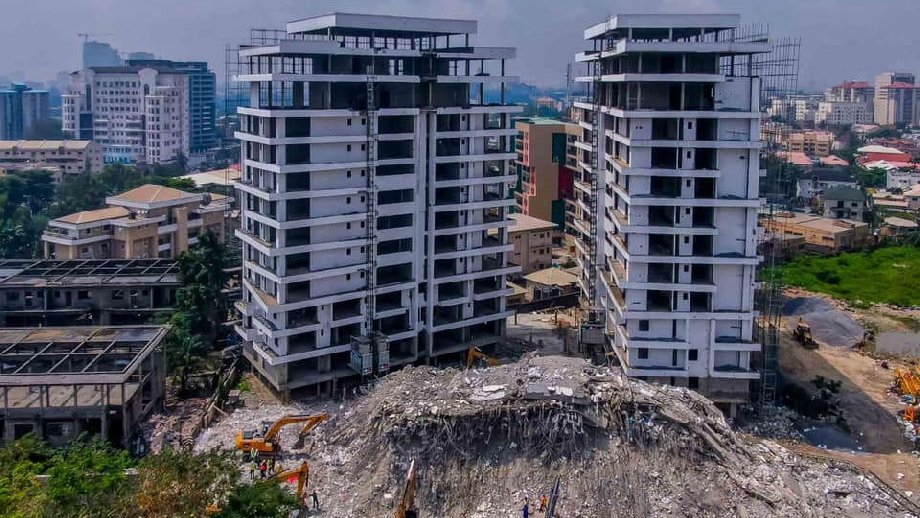
What Is the Role of the Lagos State Building Control Agency (LASBCA)
Introduction
In Lagos—the commercial heartbeat of Nigeria—every square metre of land carries heavy economic, social, and safety implications. Rapid urbanisation, high-density development, and a legacy of informal construction have created a delicate equilibrium between growth and public safety. The Lagos State Building Control Agency (LASBCA) sits at the fulcrum of that balance. Its mandate is not abstract regulation for its own sake; it is the day-to-day assurance that buildings are designed, constructed, altered, used, and maintained in ways that protect life, property, and the urban environment.
For developers, homeowners, investors, landlords, tenants, professionals (architects, structural engineers, builders, and project managers), and facility owners, understanding LASBCA’s role is not optional. It is the difference between a compliant project that appreciates in value and an exposed site that attracts notices, sanctions, demolition, criminal liability, and catastrophic risk.
This article—written from the perspective of a practising property and commercial lawyer—unpacks LASBCA’s legal basis, structure, jurisdiction, approvals and inspections regime, enforcement toolkit, stakeholder obligations, risk controls, common pitfalls, and practical compliance steps. It is designed as a field-ready reference you can use to plan, build, regularise, manage risk, and protect your investment.
1) Legal Basis and Institutional Context
1.1 Statutory foundation
LASBCA operates under the Lagos State physical planning and development control framework. Practically, this framework divides the planning system into two complementary pillars:
- Planning Permission (Upfront Approval): Usually handled by the Lagos State Physical Planning Permit Authority (LASPPPA). This is where land use, density, setbacks, site coverage, height, parking provision, and macro-planning questions are resolved at design stage.
- Building Control (Execution Oversight): LASBCA polices how the approved development is actually built—materials, workmanship, structural integrity, stage-by-stage construction, safety, habitability, and change-of-use compliance.
1.2 Why the split matters
Planning permission authorises the concept and parameters of the development; building control authorises (and continuously supervises) the execution. A developer who obtains LASPPPA approval but ignores LASBCA inspections is still in breach. Conversely, LASBCA will not supervise unapproved or fundamentally non-conforming projects.
1.3 Scope of jurisdiction
LASBCA’s remit spans: new builds; alterations; additions; refurbishments; conversions and change of use; demolition works; temporary structures; sensitive/high-rise projects; public buildings (malls, schools, religious facilities, hospitals, hotels); and special risk occupancies.
2) Mandate and Core Functions of LASBCA
2.1 Pre-construction readiness
- Verification of planning permits and construction documentation before site mobilisation.
- Validation of the project team’s competence (e.g., COREN-registered structural engineer) and the adequacy of structural drawings and specifications.
- Registration and site profiling, including issuance of site notices and compliance stickers.
2.2 Stage-by-stage inspections
LASBCA’s hallmark is progressive oversight. Typical critical stages include:
- Setting-out and foundation excavation approval.
- Foundation works (blinding concrete, reinforcement, footing, pad/raft/pile verification).
- Damp-Proof Course (DPC) and ground floor slab.
- Columns, beams, and slab formwork and reinforcement checks before concrete placement.
- Blockwork, lintels, and structural frames at each storey.
- Roof structure (truss/rafter integrity, anchorage, sheathing/covering).
- Building services installation (electrical, mechanical, plumbing, fire protection).
- Finishes and means of escape (stair geometry, handrails, ramp gradients, fire doors).
- Final completion and habitability leading to Certificate of Completion/Fitness for Habitation where applicable.
2.3 Materials and structural integrity control
- Sampling and testing of concrete, steel reinforcement, blocks, and other critical materials.
- Witnessing cube tests and insisting on mill certificates where required.
- Requiring Structural Integrity Tests (SIT) for aged buildings, distressed structures, or post-incident evaluations.
2.4 Site safety and public protection
- Enforcing hoardings, scaffold safety, edge protection, fall arrest systems, signage, traffic management near public right-of-way, and construction waste control.
- Ensuring competent supervision and safe systems of work to protect workers and neighbours.
2.5 Fire and life safety
- Verifying egress routes, staircases, risers, corridor widths, emergency lighting, fire-rated enclosures, fire detection/suppression where applicable, hydrant access, and separation distances.
2.6 Enforcement and sanctions
- Issuing Contravention/Stop-Work/Seal-Up Notices for non-compliant sites.
- Monetary penalties, prosecution, and—where warranted—partial or total demolition.
- Orders for remedial works, structural propping, evacuation, or cordoning-off unsafe premises.
2.7 Post-construction occupation control
- Granting fitness-for-habitation documentation on compliant projects.
- Periodic audits of public buildings, malls, hospitality, schools, hospitals, event centres.
- Oversight of change of use and major refurbishments.
2.8 Public education and incident response
- Developer/landowner enlightenment on safer construction practices.
- Collaboration with first responders on building collapse prevention and investigations.
3) LASBCA vs. LASPPPA: The Two Keys You Must Turn
3.1 Planning approval ≠ construction approval
Obtain LASPPPA approval before building. Then, LASBCA must clear each critical construction stage. Skipping LASBCA is a cardinal error that leads to stop-work, sealing, or worse.
3.2 Typical compliant sequence
- Title due diligence and land survey.
- Concept design, planning drawings, and LASPPPA application.
- Planning permit issuance with stated conditions.
- Mobilisation: notify LASBCA; display approvals on site; install hoardings.
- LASBCA inspections at each milestone (foundation to roof and services).
- Completion inspections; fitness-for-habitation issuance.
- Property management with periodic compliance.
4) Approvals, Documentation, and Parties Involved
4.1 Minimum documentation developers should expect to produce
- Evidence of title/land rights (e.g., Governor’s Consent/Registered Deed where applicable).
- Approved planning drawings and permit conditions.
- Architectural, structural, MEP drawings, bar-bending schedules, and specifications.
- Soil investigation report for significant structures.
- Health & Safety (H&S) and Construction Phase Plan.
- Contractor’s method statements and quality assurance plan.
- Material compliance certificates, test results, and site records.
4.2 Competent persons
- Architect: code and planning coordination.
- Structural Engineer (COREN): analysis, detailing, inspections, sign-offs.
- Builder/Contractor: execution, temporary works, supervision.
- HSE Professional: risk assessment, toolbox talks, incident management.
- Clerk of Works/Site Engineer: day-to-day compliance and documentation.
LASBCA expects named, competent professionals and will often demand to see their seals, registrations, or letters of engagement.
5) The Inspection Regime—What LASBCA Looks For
5.1 Foundations
- Bearing capacity vs. design assumptions.
- Reinforcement size, spacing, cover, lap lengths.
- Concrete mix design, batching controls, compaction, curing regimes.
- Waterproofing at DPC; termite and soil treatment where specified.
5.2 Superstructure
- Column-beam-slab continuity, alignment, and dimensions.
- Formwork quality, propping/reshoring, removal timing.
- Slab penetrations and embedded services not weakening the frame.
- Masonry alignment, lintel reinforcement, ring beams, parapet safety.
5.3 Building services and life safety
- Proper cable routing, earthing, distribution boards, breaker ratings.
- Plumbing gradients, venting, and backflow prevention.
- Fire detection/suppression systems in applicable occupancies.
- Stair geometry, balustrade heights, guard loadings, egress signage.
5.4 Finishes and habitability
- Moisture management, ventilation, lighting, acoustic separation where required.
- Accessibility (ramps, thresholds), sanitary conveniences, and potable water supply.
- External works—drainage falls, soakaways, off-site discharge control.
5.5 Documentation
- Concrete cube results, delivery tickets, mill certificates.
- Inspection request forms and LASBCA stage approvals.
- Site diaries, as-built revisions, non-conformance reports and rectifications.
6) Enforcement: Notices, Sanctions, and Demolition Powers
6.1 The toolkit
- Advice/Warning: Early correction for minor deviations.
- Contravention Notice: Identifies breaches and required remedial measures.
- Stop-Work Notice: Halts all site activity pending compliance.
- Seal-Up Notice: Locks down the site; breaking seals is an offence.
- Abatement/Remedial Orders: Specific rectification, temporary works, or propping.
- Demolition/Partial Demolition: Last resort for dangerous or irredeemably unlawful works.
- Prosecution/Penalties: For persistent or egregious offences.
6.2 Due process and practical strategy
- Respond in writing and on time; set out your remedial plan and programme.
- Engage your structural engineer to frame technical solutions.
- Keep evidence of rectifications (photos, test results, new calculations).
- Seek legal counsel where sanctions appear disproportionate or where there is a jurisdictional contest.
- Never resume work after stop-work without written LASBCA clearance.
7) Regularization and Change of Use
7.1 Regularization of legacy or partially compliant buildings
- Expect integrity assessments, invasive/non-destructive testing, and remedial works.
- Late compliance almost always costs more than doing it right initially.
- Where as-built differs from approval, a controlled rectification or retrospective approval pathway may exist—but it is not a right.
7.2 Change of use
- Converting residential to commercial (or vice-versa) triggers planning and building control reviews—parking, egress, loads, services, fire safety, sanitary provisions, and disabled access often change.
- Do not commence operations on the new use until approvals and LASBCA clearance are obtained.
8) Special Buildings and High-Risk Occupancies
8.1 High-rise and complex structures
- Height and occupancy increase risk; expect more robust submissions, peer review, and more frequent inspections.
- Focus on progressive collapse prevention, redundancy, fire compartmentation, smoke control, and emergency egress.
8.2 Public assembly buildings
- Event centres, places of worship, schools, hospitals, hotels, malls: special attention to crowd safety, fire loads, evacuation, and maintenance regimes.
- Routine auditing after occupation is normal; compliance is continuous, not one-off.
9) Materials, Testing, and Quality Assurance
9.1 Concrete and reinforcement
- Design mixes, slump control, temperature, and curing determine strength.
- LASBCA may witness cube casting and request laboratory results.
- Steel must meet specified grade; verify diameter, ribbing, and ductility.
9.2 Masonry and blocks
- Block strength and density must be appropriate; poor units are a common failure point in low-rise collapses.
9.3 Timber and roofing
- Grading, preservative treatments, moisture content, and proper anchorage are essential to resist uplift and racking.
9.4 MEP systems
- Electrical: cable sizing, RCDs/MCBs, earthing;
- Plumbing: pressure tests, backflow protections;
- HVAC: ventilation rates, condensate management, fire dampers where necessary.
10) Health, Safety and Environmental (HSE) Controls
10.1 HSE management on site
- Risk assessments, method statements, PPE, edge protection, lifting plans.
- Toolbox talks, permit-to-work for hot works and confined spaces.
- Accident/near-miss reporting; first aid and emergency drills.
10.2 Public realm protection
- Hoardings, debris nets, covered walkways, warning lights, traffic marshals.
- Dust/noise control and waste disposal that respects neighbours and waterways.
11) Occupation, Maintenance, and Ongoing Compliance
11.1 Fitness for habitation / completion certificate
- Do not occupy without LASBCA’s final clearance where required.
- Keep O&M manuals, as-builts, and warranties.
11.2 After you move in
- Change-of-use, major alterations, mezzanine insertions, or load increases require fresh approvals and may trigger new inspections.
- Public buildings should expect periodic compliance checks.
12) Common Pitfalls That Trigger LASBCA Sanctions
- Commencing work with no planning permit or no LASBCA notification.
- Skipping stage inspections—pouring concrete before LASBCA sees the rebar.
- Unapproved alterations to structural members.
- Substandard materials—weak blocks, poor concrete, counterfeit steel.
- Inadequate site safety—no hoardings, unsafe scaffolds, unprotected edges.
- Encroachments—setback violations, right-of-way and drainage blockages.
- Change of use without fresh approvals.
- Concealment—covering works to hide defects (this invariably backfires).
13) Practical Compliance Roadmap (Step-by-Step)
For New Builds
- Title verification and survey.
- Design development with Architect and Structural/MEP Engineers.
- Obtain LASPPPA planning permit.
- Notify LASBCA; register site; display approvals.
- Plan inspections; book LASBCA at each critical stage.
- Keep test records, concrete cubes, material certificates.
- Close out snags; obtain fitness-for-habitation where applicable.
For Existing/Legacy Buildings
- Commission a Structural Integrity Test if distressed/aged.
- Apply for regularisation where possible; agree on remedial scope.
- Execute remedial works under professional supervision; keep records.
- Undergo LASBCA verification; close out.
For Change of Use
- Re-assess parking, fire/life safety, sanitary load, accessibility.
- Secure approvals; coordinate with LASBCA before any fit-out.
- Test, commission, and obtain clearances.
14) Roles and Responsibilities by Stakeholder
- Landowner/Developer: Secure approvals, appoint competent professionals, fund quality.
- Architect: Coordinate code compliance and drawables; respond to site queries.
- Structural Engineer: Design, calculations, inspections, sign-offs, remedial design.
- Contractor/Builder: Deliver to drawings/specs, manage safety, document tests.
- HSE Lead: Implement safety plan, training, permits, incident response.
- Facility Manager (post-completion): Maintenance, statutory inspections, logs.
- LASBCA: Verify, guide, sanction where necessary to secure public safety.
15) Investor and Lender Perspective—Why LASBCA Compliance Increases Value
- Liquidity: Buyers and lenders favour compliant assets with clear approvals and fitness-for-habitation.
- Insurance: Underwriters scrutinise compliance and risk controls.
- Income Stability: Public buildings with valid life-safety certifications secure higher-quality tenants and avoid closure orders.
- Exit: Regularised assets command premium valuations and faster disposals.
16) Due Diligence Checklist (Pre-Purchase or Pre-Funding)
- Planning permit and stamped drawings.
- Evidence of LASBCA stage approvals or site inspection records.
- Structural calculations and integrity test reports (where applicable).
- As-built drawings and O&M manuals.
- Fire certificate/fitness-for-habitation for public occupancies.
- Evidence of rectified notices or cleared enforcement history.
- Photographic records tied to milestones and tests.
17) Risk Management for Existing Buildings
- Commission periodic structural/MEP audits.
- Test critical elements (roofs, balconies, water tanks, façades) at intervals.
- Maintain fire/life-safety systems—detectors, extinguishers, pumps, generators.
- Track changes in load (new tenants, heavier equipment) and seek professional review.
18) Frequently Asked Questions (FAQ)
Q1: I have LASPPPA approval. Must I still deal with LASBCA?
Yes. Planning approval authorises the scheme; LASBCA polices the construction and habitability. Both are mandatory.
Q2: Can LASBCA demolish my building?
Where works are dangerous or fundamentally unlawful—and after due process—LASBCA can order partial or full demolition.
Q3: What if my contractor poured concrete before inspection?
Expect a non-conformance. LASBCA may demand testing, core samples, or demolition and recasting.
Q4: Can I regularise an old, unapproved structure?
Often yes, but it may require integrity testing, remedial works, and payment of assessed penalties. It is not automatic.
Q5: Do I need LASBCA for internal renovations?
If works affect structure, fire/life safety, egress, or involve significant services reconfiguration or change of use—yes. Always seek professional advice.
Q6: Who is responsible if there’s a collapse?
Responsibility can be shared among owner, contractor, professionals, and even material suppliers depending on the facts. Non-compliance compounds liability.
19) Model Compliance Documents You Should Maintain
- Appointment letters for consultants and contractor.
- Method statements and HSE plan.
- Inspection requests and approvals.
- Test results (concrete cubes, steel certificates, pressure tests).
- Site diaries, RFI logs, non-conformance reports and closures.
- As-builts, O&M manuals, warranties, and completion certificates.
20) Strategic Guidance from a Senior Property Lawyer
- Front-load compliance. It is faster and cheaper to build right than to regularise.
- Name competent professionals early. Their reputations and seals matter.
- Never pour without inspection. Missing a single stage can jeopardise the entire job.
- Document everything. In any dispute or investigation, records are your lifeline.
- Clarify use at inception. Designing a residential building you intend to “later convert” into a school or event centre is a false economy.
- Engage counsel for enforcement. Timely, calibrated legal response protects your rights while securing safety objectives.
Conclusion
LASBCA is not an obstacle to development; it is the institutional guardrail that keeps Lagos building safely and sustainably. For anyone serious about property in Lagos—developers, investors, homeowners, landlords, tenants, lenders, and professionals—engaging LASBCA correctly is both a legal requirement and a commercial advantage. Compliant buildings preserve life, protect capital, and sustain value.
Call to Action — Speak with a Property & Real Estate Lawyer Today
If you are planning a new build, altering an existing property, regularising legacy works, or facing an enforcement notice, you should have seasoned legal counsel and technical professionals at your side from day one.
Contact Us
📞 0806 555 3671, 08096888818, 08024200080
📍 Chaman Law Firm 115, Obafemi Awolowo Way Allen Junction, Beside Lagos Airport Hotel, Ikeja, Lagos
👉 Book a consultation now: www.chamanlawfirm.com/book-consultation
