

What Are the Rights of Tenants in Ogun State?
A Complete Guide for Renters Under Ogun State Tenancy Law
Introduction
In Ogun State, thousands of people rent homes, shops, and office spaces every year. Yet, many tenants are unaware of their rights—making them vulnerable to unfair treatment, illegal evictions, and exploitation.
Whether you’re renting a one-room apartment in Abeokuta, a shop in Ijebu Ode, or an office space in Ota, it’s vital to understand your legal rights as a tenant under the Ogun State Tenancy Law.
This article offers a complete guide to tenant rights, helping you protect yourself, avoid disputes, and ensure a fair and lawful rental experience.
Chapter 1: What Is a Tenant?
A tenant is any person who occupies a property owned by someone else under an agreement—verbal or written—to pay rent for a defined period.
Tenants in Ogun State are protected by:
The Ogun State Tenancy Law
The Nigerian Constitution
Common law and court rulings
Local customary practices (in some rural areas)
Chapter 2: Fundamental Rights of Tenants in Ogun State
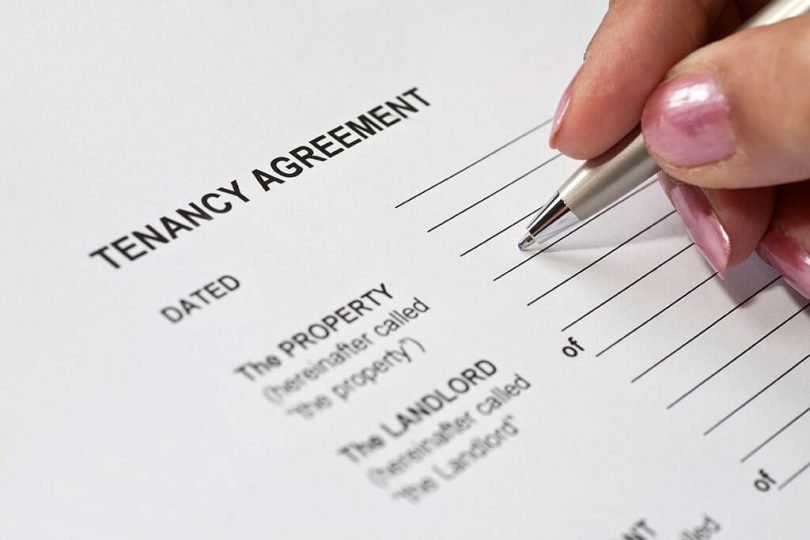
1. Right to a Written Agreement
Every tenant has the right to request and receive a written tenancy agreement from their landlord. This document should clearly state:
The rent amount
Duration of the tenancy
Payment method and schedule
Responsibilities of both parties
Rules for termination or renewal
Tip: Always insist on a written agreement before handing over rent.
2. Right to Peaceful and Quiet Enjoyment
Tenants are entitled to peaceful use of the rented property without interference from the landlord or third parties.
This means:
No unnecessary visits by the landlord without notice
No harassment or intimidation
No interruption of essential services (e.g., water or electricity)
It is illegal for landlords to cut off utilities to force you out.
3. Right to a Habitable Environment
Tenants have a legal right to live in a safe, clean, and functional environment.
This means landlords must:
Provide structurally sound buildings
Ensure plumbing and electrical systems work
Fix major damages or defects that affect health or safety
If the landlord refuses to fix serious issues, you can file a complaint or take legal action.
4. Right to Fair Rent and Proper Notice for Rent Increases
Tenants have the right to:
Know the rent amount before moving in
Receive a proper written notice if the landlord wants to increase rent
Challenge excessive or unfair rent hikes
Landlords cannot arbitrarily raise the rent without just cause and prior notice—typically 1–3 months.
5. Right to Notice Before Eviction
Landlords must follow due process before evicting a tenant. You cannot be legally evicted unless:
You have received a Notice to Quit (7–90 days depending on the tenancy type)
A court eviction order is obtained if you refuse to leave after the notice
The eviction is carried out by court officials, not the landlord personally
Locking you out, throwing out your belongings, or cutting off power is illegal eviction.
6. Right to Privacy
Tenants have a right to privacy. The landlord must give reasonable notice (usually 24–48 hours) before entering the premises, unless it’s an emergency.
7. Right to Freedom from Discrimination
You have the right to rent a property regardless of your ethnicity, religion, gender, marital status, or occupation, as long as you can pay and agree to the terms.
8. Right to Refund of Security Deposit
If you paid a security deposit, you have the right to receive a full or partial refund after moving out, unless:
You damaged the property
You owe rent or bills
You violated the agreement
Landlords must return the deposit within a reasonable time, usually within 1–3 weeks.
9. Right to Legal Redress
Tenants have the right to:
Report landlords who violate tenancy laws
Take disputes to the Magistrate Court or Tenancy Tribunal
Seek legal help from a lawyer or the Ministry of HousingChapter 3: What Tenants Must Also Do (Your Responsibilities)
While tenants have rights, they also have legal responsibilities, including:
Pay rent on time
Maintain the property (keep it clean, use facilities properly)
Avoid illegal activities
Comply with the tenancy agreement
Give proper notice before vacating
Failure to fulfill these obligations may weaken your rights in a dispute.
Chapter 4: Common Violations of Tenant Rights
Here are some common ways tenants’ rights are violated in Ogun State:
| Violation | What the Law Says |
|---|---|
| Landlord enters without notice | Illegal |
| Eviction without a quit notice | Illegal |
| Rent increased without notice | Illegal |
| Utilities cut off by landlord | Harassment |
| Deposit not refunded after exit | Can be challenged in court |
Chapter 5: Real-Life Scenarios
Scenario 1: Illegal Eviction
Tenant: Paid rent on time, but landlord wants to sell the house and locks him out without notice.
Legal Action: Tenant files a suit and is awarded damages by the court for illegal eviction.
Scenario 2: Refused Refund of Security Deposit
Tenant: Moved out and left the property clean. Landlord refuses to refund the deposit.
Legal Action: Tenant goes to the Small Claims Court and wins the case.
Chapter 6: Where to Get Help
If your rights are violated, contact:
Ogun State Ministry of Housing
Tenancy Tribunal/Magistrate Court
Nigerian Bar Association (Local branch)
Legal Aid Council of Nigeria
Civil society or housing advocacy groups
Call to Action
Are you a tenant in Ogun State? Know your rights. Protect your dignity.
Always request a written agreement.
Report any illegal eviction or harassment.
Speak with a lawyer if your landlord violates your rights.
Download:
Free Ogun State Tenancy Rights Handbook
Sample Complaint Letter to a Landlord
List of Legal Aid Centres in Ogun State
Conclusion
As a tenant in Ogun State, you are not powerless. The law protects you from exploitation, unsafe housing, and illegal eviction. However, you must also fulfill your duties, pay your rent, and be a responsible occupant.
Knowledge is your best protection—so know your rights, speak up, and seek help when needed.
Contact Us
Chaman Law Firm 115, Obafemi Awolowo Way,Allen Junction, Beside Lagos Airport Hotel, Ikeja, Lagos 📞 0806 555 3671, 08096888818,
