

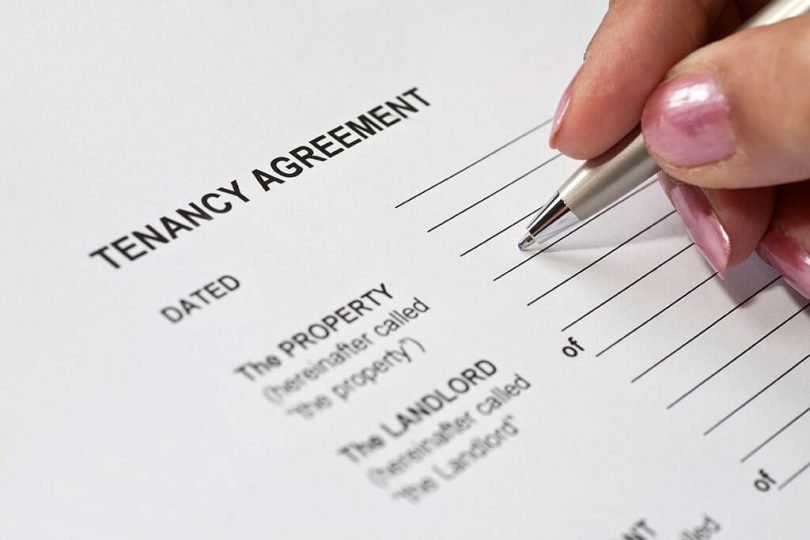
How Do I Draft a Tenancy Agreement in Ogun State?
Introduction
A tenancy agreement is one of the most important legal documents in a landlord-tenant relationship. It sets the foundation for peaceful cohabitation and ensures that both parties are aware of their rights, responsibilities, and obligations under the Ogun State Tenancy Law.
In Ogun State, as in many parts of Nigeria, it is advisable to have a written tenancy agreement—even though oral agreements are technically recognized in some cases. A written agreement provides clarity and legal protection in the event of a dispute.
This article walks you through the step-by-step process of drafting a legally sound tenancy agreement that complies with the laws of Ogun State.
Chapter 1: What Is a Tenancy Agreement?
A tenancy agreement is a legally binding contract between a landlord and a tenant, giving the tenant the right to occupy a property for a specified period in exchange for rent.
It typically includes:
Duration of the tenancy
Rent amount and payment terms
Obligations of the tenant and landlord
Terms of renewal or termination
Rules about property use, repairs, and modifications
Chapter 2: Legal Framework – Ogun State Tenancy Law
Before drafting your agreement, it’s important to understand the Ogun State Tenancy Law, which governs rental transactions within the state.
Key legal considerations include:
Notice periods for eviction or termination of tenancy
Rent payment structure and permissible increases
Security deposit rules
Tenant protection provisions
Dispute resolution mechanisms
You must draft your agreement to align with these legal provisions to ensure its enforceable.
Chapter 3: Pre-Drafting Considerations
Before putting pen to paper, do the following:
3.1 Confirm Ownership
Ensure the landlord is the rightful owner or legally authorized to lease the property.
3.2 Property Inspection
Conduct a thorough inspection to document the condition of the property at the time of letting.
3.3 Agreement on Terms
Both parties should agree on key terms like rent, payment dates, utility responsibilities, and who pays legal fees.
Chapter 4: Key Elements of a Tenancy Agreement in Ogun State
Here’s a breakdown of what to include in your tenancy agreement:
4.1 Names and Addresses
Full names of the landlord and tenant
Contact addresses of both parties
4.2 Description of the Property
Full address of the rented premises
Type of property (flat, self-contained, room, shop, office, etc.)
Number of rooms or units covered in the agreement
4.3 Duration of Tenancy
Fixed-term (e.g., 1 year) or periodic (e.g., month-to-month)
Commencement and termination dates
4.4 Rent Terms
Rent amount
Payment frequency (monthly, quarterly, yearly)
Mode of payment (bank transfer, cheque, cash, etc.)
Penalties for late payment
4.5 Security Deposit
Amount (typically 1–2 months’ rent)
Conditions for refund (e.g., deductions for damage)
Timeline for return after tenancy ends
4.6 Use of Property
Residential or commercial
Restrictions (e.g., no subletting, no illegal activity)
4.7 Repairs and Maintenance
Who is responsible for what (landlord handles structural repairs, tenant handles internal repairs, etc.)
4.8 Utilities and Bills
Clarify responsibility for electricity, water, waste disposal, etc.
4.9 Entry and Inspection
Notice period required before landlord enters the premises (usually 24–48 hours)
4.10 Termination and Notice Period
Length of notice required by either party to terminate the agreement (typically 1–3 months)
Grounds for termination (non-payment, breach of agreement, etc.)
4.11 Dispute Resolution
Preferred method (e.g., mediation, arbitration, or court)
Jurisdiction: Magistrate Court or Customary Court in Ogun State
4.12 Signature and Witnesses
Signature of both parties
Date of signing
Signatures of at least two independent witnesses (with names, phone numbers, and addresses)
Chapter 5: Sample Tenancy Agreement (Template)
Here is a simplified sample of what a tenancy agreement might look like in Ogun State:
TENANCY AGREEMENT
This Tenancy Agreement is made this 3rd day of October 2025, between:
Mr. John Doe of No. 12 Akinsanya Street, Abeokuta, Ogun State (hereinafter called “the Landlord”)
AND
Mr. Ibrahim Musa of No. 9 Adeola Avenue, Ijebu Ode, Ogun State (hereinafter called “the Tenant”).
1. Property Description:
The property is a two-bedroom flat located at Plot 15, Alagbole Road, Ogun State.
2. Duration:
This tenancy is for a fixed term of one year, starting on 1st November 2025 and ending on 31st October 2026.
3. Rent and Payment Terms:
₦300,000 per annum, payable in advance. Payment is to be made by bank transfer to Account No: [Insert Details].
4. Security Deposit:
₦25,000 refundable security deposit is payable on signing this agreement.
5. Use of Property:
Strictly residential. No commercial activities allowed.
6. Repairs and Maintenance:
The landlord is responsible for structural repairs. The tenant shall handle internal plumbing and electrical faults.
7. Termination:
Either party may terminate this agreement with at least 2 months’ notice in writing.
8. Dispute Resolution:
Disputes shall first be resolved through mediation. If unresolved, parties may approach the Magistrate Court, Ogun State.
Signed:
Landlord: _______________________
Tenant: _________________________
Date: ___________________________
Witness 1: Name, Signature, Address, Phone
Witness 2: Name, Signature, Address, Phone
Chapter 6: Legal Tips for Drafting
6.1 Use Plain Language
Avoid overly legalistic terms. Make it easy for both parties to understand.
6.2 Be Specific
Avoid ambiguity. Clearly state who is responsible for what.
6.3 Include Default Clauses
Address what happens if either party fails to perform (e.g., late rent, damage, breach of rules).
6.4 Register the Agreement (Optional but Recommended)
Though not mandatory, registering your tenancy agreement can provide extra legal protection and serve as strong evidence in court.
Chapter 7: Common Mistakes to Avoid
Using templates not tailored to Ogun State law
Failure to state renewal and termination terms
Not getting witness signatures
Leaving out notice periods
Failing to discuss and document repair responsibilities
Conclusion
Drafting a tenancy agreement in Ogun State is a serious matter that requires careful thought, legal knowledge, and attention to detail. Whether you are a landlord or a tenant, having a well-written agreement protects your interests and reduces the risk of disputes.
If you’re unsure about the legal language or need help drafting your agreement, consider consulting a lawyer who specializes in tenancy matters in Ogun State.
Call to Action
Need help drafting or reviewing your tenancy agreement in Ogun State? Don’t take chances with your property or rights. Get professional legal guidance today.
