

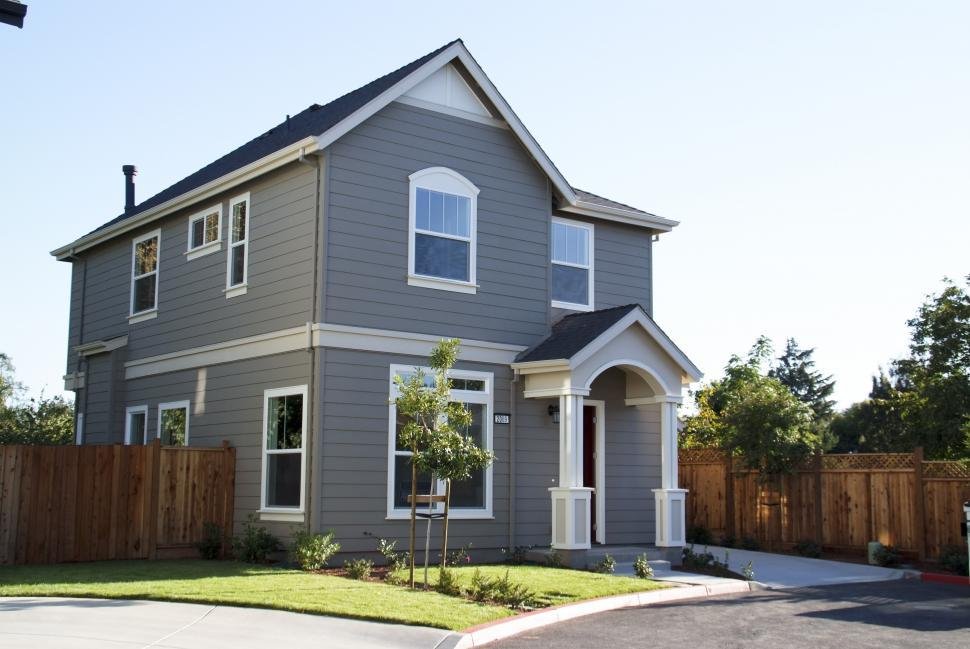
How to Calculate and Pay Land Use Charge in Lagos State
Introduction
The Land Use Charge (LUC) is one of the most critical property-related levies in Lagos State. It represents a consolidation of property taxes payable on real estate within the state. For every property owner, investor, or developer—especially those handling multiple real estate assets—understanding how to calculate and pay the LUC is not merely a matter of compliance; it is a crucial aspect of property management, asset protection, and legal responsibility.
In this comprehensive guide, we will explore everything you need to know about the Lagos State Land Use Charge: its purpose, legal framework, calculation formula, payment process, penalties for default, and how to ensure smooth compliance without legal hurdles.
1. Introduction: The Importance of Land Use Charge
The Land Use Charge (LUC) was established as a means for the Lagos State Government to generate revenue from property owners to fund urban infrastructure, public amenities, and general development. It is a consolidated property tax, combining the Ground Rent, Tenement Rate, and Neighborhood Improvement Levy into a single charge.
The law governing it is the Land Use Charge Law of Lagos State, 2018, which repealed the earlier law of 2001 and introduced a simplified framework for tax assessment and payment.
For property owners, the Land Use Charge is both a legal obligation and a civic duty—failing to pay may lead to penalties, property seizure, or legal action.
2. Legal Framework and Authority
The Land Use Charge Law 2018 empowers the Lagos State Government, through the Lagos State Ministry of Finance, and its agency—the Land Use Charge Office (LUCO)—to assess, bill, and collect the tax on all properties within Lagos State.
Key Features of the Law:
-
Consolidation of all property-based rates into a single charge.
-
Annual review of rates by the state government.
-
Provision for exemptions (e.g., for pensioners, NGOs, religious institutions).
-
Introduction of electronic billing and payment channels.
This law aligns with Section 7 of the Constitution of the Federal Republic of Nigeria (1999, as amended), which empowers state and local governments to collect rates on properties within their jurisdictions.
3. Objectives of the Land Use Charge
-
Revenue Generation: To fund infrastructural projects and social amenities.
-
Ease of Payment: By consolidating multiple property taxes into a single bill.
-
Accountability: To improve property data and valuation accuracy.
-
Equity: Ensuring that property owners contribute fairly to state development based on property value.
4. Properties Liable for Land Use Charge
All real properties in Lagos State are liable, including:
-
Residential buildings.
-
Commercial properties.
-
Industrial premises.
-
Mixed-use buildings.
-
Unoccupied developed properties.
Exemptions:
-
Properties owned by religious bodies and used exclusively for worship.
-
Cemeteries and burial grounds.
-
Public libraries and educational institutions.
-
Non-profit organizations used for charitable purposes.
-
Properties owned and occupied by pensioners.
5. Understanding the Components of LUC Assessment
The Land Use Charge is computed using specific variables such as the market value, relief rate, and annual charge rate. The assessment is based on the property’s characteristics and its location.
Key Components:
-
Market Value (MV): The estimated open market value of the property.
-
Relief Rate (RR): Discounts applicable under certain conditions (e.g., owner-occupier).
-
Charge Rate (CR): The percentage rate applied to the assessed property value.
6. The Formula for Calculating Land Use Charge
The formula as prescribed under the Land Use Charge Law, 2018 is:
LUC = (Market Value of Property) × (Relief Rate) × (Charge Rate)
Let’s break this down.
(i) Market Value (MV)
This represents the value the property would attract in an open market. It is determined by the Lagos State Valuation Office using parameters such as:
-
Land size (square meters).
-
Building type and purpose.
-
Location (e.g., Ikeja, Lekki, Victoria Island).
-
Construction quality and building condition.
(ii) Relief Rate (RR)
This is a discount or exemption rate applicable under specific conditions. For example:
-
Owner-occupier residential: 25% relief.
-
Aged person (above 70 years): 100% relief (if sole occupant).
-
Newly constructed building: 50% relief for the first two years.
(iii) Charge Rate (CR)
This is the tax rate applicable to the property category. As stipulated in the law:
| Property Category | Charge Rate |
|---|---|
| Owner-occupied residential | 0.0394% |
| Industrial (used by occupier) | 0.132% |
| Commercial (used by owner) | 0.394% |
| Residential (rented out) | 0.394% |
| Vacant land | 0.076% |
7. Step-by-Step Example of LUC Calculation
Let’s assume:
-
A residential property in Ikeja.
-
Market Value (MV): ₦50,000,000.
-
Relief Rate (RR): 25% (owner-occupied).
-
Charge Rate (CR): 0.0394%.
Step 1: Apply Relief Rate
Effective rate after 25% relief = 0.75 × ₦50,000,000 = ₦37,500,000
Step 2: Apply Charge Rate
LUC = ₦37,500,000 × 0.0394%
LUC = ₦37,500,000 × 0.000394
LUC = ₦14,775
So, the annual Land Use Charge payable is ₦14,775.
8. How to Obtain Your Land Use Charge Bill
You can obtain your LUC bill through multiple channels:
-
Physical Delivery: Bills are often delivered to the property by LUC officials.
-
Online Retrieval:
-
Input your Property Identification Number (PIN) or House Number.
-
Download or print your bill.
-
At Banks: You may also visit designated banks in Lagos with your PIN.
9. How to Pay Land Use Charge in Lagos State
The Lagos State Government has provided multiple payment options for convenience.
(i) Online Payment:
-
Visit the official LUC website.
-
Enter your Property ID or LUC number.
-
Choose a payment gateway (e.g., PayStack, Remita).
-
Make payment using debit card or internet banking.
-
Download and keep your payment receipt.
(ii) Bank Payment:
-
Visit any authorized bank with your LUC bill.
-
Present the payment code (QR Code or LUC Number).
-
Pay over the counter and collect a stamped teller as receipt.
(iii) POS Payment:
-
LUC officers with handheld POS devices can collect payments on-site.
-
Ensure the receipt reflects the Lagos State Government logo.
(iv) Mobile Apps and Agents:
-
You can also pay through government-approved agents or mobile money operators.
10. Discounts and Incentives
To encourage early compliance, the Lagos State Government offers discounts:
-
15% discount for payments made before the due date.
-
Additional waivers or amnesties may be declared by the Governor under special circumstances.
11. Penalties for Late Payment
Failure to pay the LUC within the stipulated time attracts penalties.
| Period of Default | Penalty Rate |
|---|---|
| 45 – 75 days | 25% increase |
| 75 – 105 days | 50% increase |
| 105 – 135 days | 100% increase |
| Beyond 135 days | Sealing of property and prosecution |
Continuous default may result in the property being sealed by the authorities until full payment is made.
12. Objection and Appeal Procedure
If you believe your LUC assessment is incorrect, you may object in writing within 30 days of receiving the notice.
Steps:
-
File a complaint with the Land Use Charge Assessment Appeal Tribunal.
-
Attach evidence such as:
-
Valuation report by a registered estate valuer.
-
Proof of exemption (if applicable).
-
-
Await reassessment or hearing.
This ensures fairness and protects property owners from unjust assessments.
13. Importance of LUC Receipts and Records
Your LUC payment receipt is an official government document that may be required for:
-
Property transactions.
-
Title perfection (e.g., Governor’s Consent).
-
Building approval and registration.
-
Court matters involving property ownership.
Always keep copies of your receipts in both physical and digital formats.
14. Common Mistakes to Avoid
-
Ignoring the Bill: Non-payment leads to heavy penalties.
-
Relying on Tenants: The responsibility lies with the owner, not the tenant.
-
Using Wrong PIN: May lead to payment misallocation.
-
Fake Agents: Only pay through official channels.
-
Late Objections: Appeals beyond 30 days are invalid.
15. Role of Legal Practitioners and Property Consultants
As a property owner or investor, it is advisable to engage the services of a lawyer or property consultant to:
-
Verify your LUC assessment.
-
Facilitate payment and dispute resolution.
-
Ensure legal compliance.
-
Advise on tax planning for multiple properties.
Firms like Chaman Law Firm and Chaman Properties offer expert advisory services for property taxation, compliance, and asset management in Lagos and Ogun States.
16. Relationship Between LUC and Other Property Levies
The Land Use Charge replaces:
-
Ground Rent
-
Tenement Rate
-
Neighborhood Improvement Levy
However, it does not replace:
-
Development Levy.
-
Building Plan Approval Fees.
-
Environmental Sanitation Fees.
These are separate obligations under different state laws.
17. Case Study: Residential Property in Lekki
A duplex in Lekki Phase 1 valued at ₦120,000,000 (owner-occupied).
Calculation:
-
Relief: 25%
-
Charge Rate: 0.0394%
LUC = ₦120,000,000 × 0.75 × 0.000394 = ₦35,460
If payment is made before the due date, apply 15% discount: ₦35,460 − (15%) = ₦30,141
Hence, total payable = ₦30,141 only.
18. Future Outlook: Digital Transformation of LUC
The Lagos State Government is integrating AI-driven valuation, GIS mapping, and electronic invoicing to streamline assessment and prevent fraud. Soon, property owners will receive automated notifications through email and SMS for their annual charges.
This modernization effort will also link LUC data with land registries and property title databases for real-time compliance verification.
19. Frequently Asked Questions (FAQ)
Q1: Who should pay Land Use Charge — landlord or tenant?
A: The responsibility lies primarily with the landlord or property owner.
Q2: Can I pay my Land Use Charge in installments?
A: Yes, you can approach the Land Use Charge Office for a structured payment plan.
Q3: How can I verify if my property is exempted?
A: Visit the LUC Office with proof of ownership and the property’s usage for verification.
Q4: What happens if I don’t receive my LUC bill?
A: You are still obliged to pay. Visit the website or contact the nearest LUC office.
Q5: Can my property be sealed for unpaid LUC?
A: Yes, after 135 days of default, the property may be sealed until payment is made.
20. Conclusion
The Land Use Charge is more than a financial obligation; it is a civic duty that sustains Lagos State’s urban development. By paying promptly and understanding the calculation process, you not only avoid penalties but also contribute to the state’s infrastructural growth.
For professional guidance, property verification, and legal compliance regarding Land Use Charge or property taxation, contact Chaman Law Firm and Chaman Properties today.
Call to Action
For expert property legal advisory, LUC compliance assistance, title perfection, and property documentation, reach out to:
Chaman Law Firm 115, Obafemi Awolowo Way,Allen Junction, Beside Lagos Airport Hotel, Ikeja, Lagos 📞 0806 555 3671, 08096888818, 📧 chamanlawfirm@gmail.com 🌐 www.chamanlawfirm.com