

Introduction
In Lagos, one of Africa’s busiest and most commercially active cities, tenancy relationships form a critical aspect of property and real estate law. With thousands of people renting apartments, shops, and offices daily, disputes arising from poorly drafted tenancy agreements are common. A tenancy agreement is not just a formality; it is a binding legal instrument that defines the rights and obligations of both landlord and tenant. Therefore, knowing how to properly draft a tenancy agreement in Lagos is essential for lawyers, property owners, and tenants alike.
This guide provides a detailed step-by-step analysis of the procedures, laws, and clauses involved in drafting a tenancy agreement in Lagos, Nigeria. It references relevant statutes, including the Lagos State Tenancy Law of 2011, and provides practical insights drawn from real-life property transactions.
Understanding What a Tenancy Agreement Is
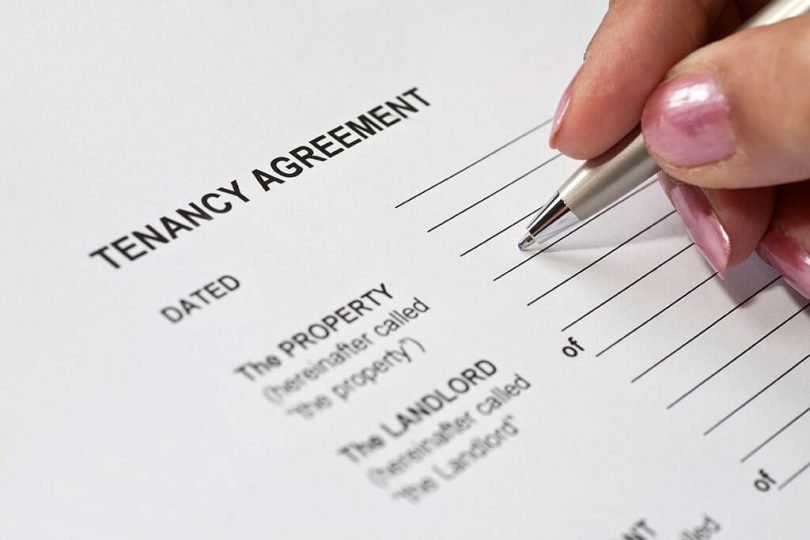
A tenancy agreement is a legally binding contract between a landlord and a tenant that outlines the terms under which the tenant occupies a property. It details key provisions such as the duration of the tenancy, rent amount, obligations of the parties, maintenance responsibilities, termination clauses, and dispute resolution procedures.
Under Nigerian law, particularly in Lagos State, a tenancy agreement can be oral or written. However, a written agreement is always preferable because it provides documentary evidence in the event of a dispute.
Legal Basis
The Lagos State Tenancy Law, 2011 governs residential and commercial tenancy arrangements within the state, except for premises used for religious or charitable purposes, and premises owned by the state or federal government. This law emphasizes transparency, fairness, and protection of rights for both landlords and tenants.
Why You Need a Tenancy Agreement
Drafting a tenancy agreement is not merely a legal requirement; it is a strategic safeguard. A well-crafted agreement ensures clarity and minimizes conflict.
Key Reasons Include:
- Legal Protection: It protects both parties’ rights and interests.
- Evidence of Tenancy: Serves as proof of the contractual relationship.
- Prevention of Disputes: Reduces ambiguity about obligations and expectations.
- Enforceability: Enables parties to enforce rights under the Lagos Tenancy Law.
- Regulatory Compliance: Ensures compliance with rent control and notice provisions.
Essential Elements of a Valid Tenancy Agreement
To be valid and enforceable under Lagos law, a tenancy agreement must include certain essential elements.
1. Names and Addresses of Parties
Clearly state the full names and addresses of both the landlord and tenant. For corporate landlords or tenants, include the registered name and address of the company.
2. Description of the Premises
Provide a detailed description of the rented property—its location, type (flat, shop, office, etc.), and any appurtenances (parking space, balcony, store, etc.).
3. Rent and Payment Terms
Specify the amount of rent, the mode of payment (monthly, quarterly, or annually), and the due date for payment. Include the account details for rent deposits and penalties for late payments.
4. Duration of Tenancy
State the tenure—for instance, one year fixed tenancy or periodic tenancy (monthly/annual). This affects notice requirements for termination.
5. Security Deposit
Mention the security deposit (if any) and the conditions for refund after tenancy expiration.
6. Covenants by the Landlord
These include ensuring quiet enjoyment, maintenance of structural integrity, and prompt repairs of major defects.
7. Covenants by the Tenant
These typically cover payment of rent, good care of the premises, restriction against illegal use, and avoidance of nuisance.
8. Termination Clause
Define the notice period and procedure for termination. Under the Lagos Tenancy Law, a tenant is entitled to adequate notice depending on the tenancy type.
9. Dispute Resolution
Include a clause for mediation, arbitration, or court proceedings in case of disputes.
10. Signatures and Witnesses
The agreement must be signed by both parties and witnessed by at least one person each.
Statutory Provisions Guiding Tenancy in Lagos
1. Section 4 – Rent and Advance Payment
This section prohibits landlords from demanding more than one year’s rent in advance for a yearly tenancy and more than six months’ rent for other tenancies.
2. Section 13 – Notice to Quit
The law specifies the length of notice to be given:
- Yearly tenancy: Six months
- Quarterly tenancy: Three months
- Monthly tenancy: One month
- Weekly tenancy: One week
3. Section 25 Jurisdiction
The Magistrate Court has jurisdiction over tenancy matters in Lagos State.
Step-by-Step Guide to Drafting a Tenancy Agreement in Lagos
Step 1: Conduct Due Diligence
Before drafting the agreement, verify the landlord’s ownership through title documents such as Deed of Assignment, Certificate of Occupancy, or Governor’s Consent. Confirm that the property is not under government acquisition.
Step 2: Determine Tenancy Type
Decide whether the tenancy is residential or commercial. The terms and conditions vary depending on the property’s use.
Step 3: Define Parties and Property
Clearly identify the landlord, tenant, and the precise property. Attach survey plans or photographs if necessary.
Step 4: Agree on Rent and Terms
Both parties should mutually agree on the rent amount, payment mode, and increment policy. Avoid inserting ambiguous figures.
Step 5: Include Key Clauses
Ensure all major clauses—rent, maintenance, repairs, termination, and use of premises—are comprehensive and balanced.
Step 6: Review and Sign
Both parties should review the agreement. Once satisfied, they should sign in the presence of witnesses.
Step 7: Stamp and Register (if necessary)
For agreements above ₦1,000, stamping at the Lagos State Internal Revenue Service (LIRS) is mandatory under the Stamp Duties Act. Registration may also be required if the tenure exceeds three years, under the Land Instruments Registration Law.
Common Clauses in a Lagos Tenancy Agreement
1. Quiet Enjoyment Clause
Guarantees the tenant peaceful use without interference.
2. Repair and Maintenance Clause
Defines which party is responsible for specific repairs. Typically, tenants handle minor repairs while landlords cover structural maintenance.
3. Rent Review Clause
Allows the landlord to revise rent periodically, usually after one or two years.
4. Insurance Clause
Encourages property insurance to cover damages caused by unforeseen incidents.
5. Subletting Clause
States whether or not the tenant can sublet the premises.
6. Use Clause
Limits the premises to a specific purpose (residential or commercial).
7. Termination and Notice Clause
Specifies the notice required for termination by either party.
8. Dispute Resolution Clause
Prefers amicable resolution through mediation or arbitration before litigation.
Sample Tenancy Agreement Structure
While each tenancy agreement must be customized, a typical structure includes:
- Heading: “Tenancy Agreement”
- Recitals: Background and purpose of the agreement.
- Definitions: Clarification of terms used.
- Clauses:
- Rent
- Duration
- Obligations of Parties
- Termination
- Dispute Resolution
- Execution Section:
- Signature of Landlord and Tenant
- Witness Signatures
- Stamping and Date
Case Study 1: Residential Tenancy in Ikeja
Mr. A, a landlord in Ikeja, rented out his three-bedroom flat to Mr. B for one year at ₦2 million per annum. The agreement stipulated that rent would be paid annually, and the landlord would handle external repairs while the tenant handled internal ones. When Mr. B defaulted for two months, the landlord attempted to evict him without notice.
The court held that under Section 13 of the Lagos Tenancy Law, the landlord must issue a six-month notice before eviction. This case underscores the importance of aligning agreements with statutory provisions.
Case Study 2: Commercial Tenancy in Victoria Island
A tech company leased an office space for three years at ₦15 million annually. The contract contained a clause allowing early termination after one year with a two-month notice. After one year, the tenant sought termination, but the landlord refused.
The court enforced the early termination clause because it was mutually agreed. This highlights that well-drafted agreements can override general presumptions if parties’ consent.
Common Mistakes to Avoid
- Using Generic Templates: Lagos tenancy laws are unique; tailor agreements to local laws.
- Omitting Notice Periods: Absence of proper notice clauses leads to litigation.
- Failure to Stamp Agreements: Unstamped agreements are inadmissible in court.
- Ignoring Property Description: Ambiguity can lead to multiple claims.
- Not Consulting a Lawyer: Legal expertise ensures enforceability.
Role of a Lawyer in Drafting Tenancy Agreements
A competent property lawyer ensures that the agreement is legally sound, balanced, and enforceable. Lawyers provide professional review, confirm compliance with Lagos laws, and prevent clauses that may expose either party to undue risk.
At Chaman Law Firm, we specialize in drafting and reviewing tenancy agreements that protect landlords and tenants while preventing future disputes.
Stamp Duties and Legal Fees
Under the Stamp Duties Act, tenancy agreements must be stamped to be legally valid. The stamp duty is calculated based on the rent amount and tenure. Typically, legal fees range between 5–10% of the total rent, depending on complexity.
Frequently Asked Questions (FAQs)
1. Can I draft a tenancy agreement myself?
While possible, it is not advisable. Legal professionals ensure compliance with the Lagos Tenancy Law and protect your interests.
2. Is oral tenancy valid?
Yes, but it is risky because oral terms are difficult to prove in court.
3. Who pays for the agreement’s preparation?
Generally, the tenant bears legal and agency fees unless agreed otherwise.
4. Is a tenancy agreement the same as a lease?
Not exactly. A tenancy is usually short-term (less than three years), while a lease is long-term and must be registered.
5. Must I register a tenancy agreement?
Only if it exceeds three years; otherwise, stamping is sufficient.
6. Can rent be increased before the end of the tenancy?
No. Rent increment can only occur upon renewal or as expressly agreed.
Enforcement of Tenancy Agreements in Lagos
Disputes arising from tenancy agreements are handled by the Lagos State Rent Tribunals and Magistrate Courts. Remedies available include:
- Recovery of premises
- Recovery of rent arrears
- Injunctions
- Damages for breach of contract
Digitalization and Online Tenancy Agreements
In modern Lagos, tenancy agreements can be executed digitally, using e-signatures and secure PDF formats. However, ensure that such agreements are properly stamped at LIRS to maintain validity.
Conclusion
Drafting a tenancy agreement in Lagos is more than just filling a template; it requires legal precision, local knowledge, and compliance with statutory provisions. A well-drafted agreement protects the landlord’s investment, ensures the tenant’s comfort, and promotes harmony in the tenancy relationship.
Whether you are a property owner, investor, or tenant, always seek professional legal guidance before signing any tenancy document.
Call to Action
At Chaman Law Firm, we specialize in property and real estate law, offering expert guidance in drafting, reviewing, and perfecting tenancy agreements across Lagos and Ogun States. We ensure that every agreement complies with the Lagos Tenancy Law, 2011, and protects our clients’ interests.
Contact Us
Chaman Law Firm
115, Obafemi Awolowo Way,Allen Junction, Beside Lagos Airport Hotel, Ikeja, Lagos
�� 0806 555 3671, 08096888818,
