

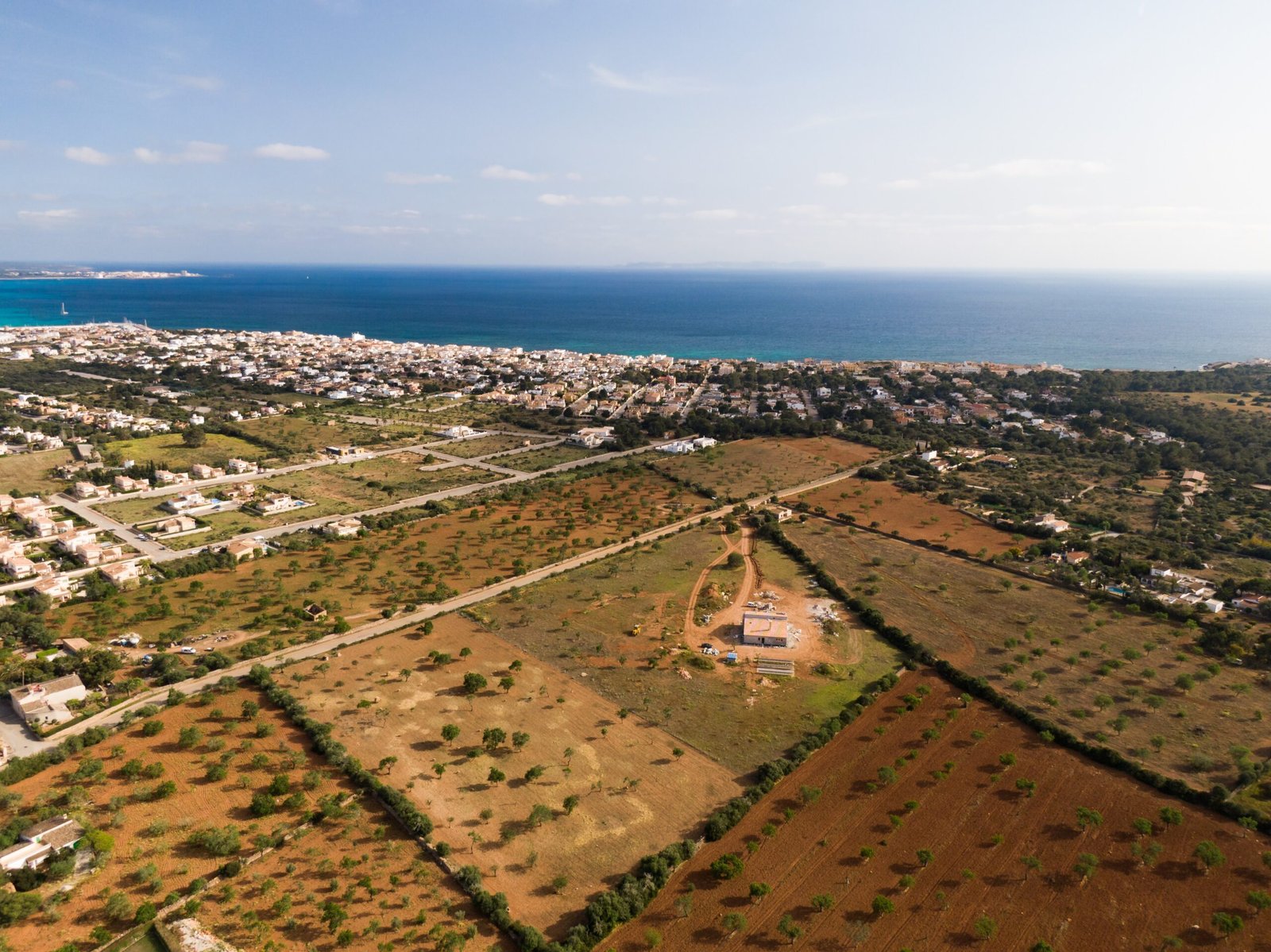
What Are the Risks of Buying Unverified Land in Ikoyi?
Introduction
Ikoyi — a name that resonates with wealth, exclusivity, and prestige. Nestled between Lagos Island and Victoria Island, it is one of the most sought-after and expensive real estate locations in Nigeria. Owning land in Ikoyi is a symbol of affluence and class, attracting business moguls, diplomats, expatriates, and Nigerians in the diaspora. However, as valuable as land in Ikoyi may be, it is also one of the most legally sensitive areas for real estate transactions in the entire country.
Every week, investors lose millions of naira to fraudulent or unverified land transactions in Ikoyi. From fake Certificates of Occupancy (C of O) to double sales, government-acquired land, and encumbered titles, the dangers of buying unverified land are numerous and devastating.
This article provides a comprehensive legal and practical guide on the risks of buying unverified land in Ikoyi, supported by real cases, step-by-step explanations, and professional insights from Chaman Law Firm, a top real estate and property law firm in Lagos.
Understanding “Unverified Land”
Unverified land refers to any parcel of land purchased without official legal verification or professional due diligence. In practical terms, it means:
- The title documents have not been authenticated at the Lagos State Land Registry.
- The survey plan has not been charted or confirmed at the Office of the Surveyor-General of Lagos State (OSGOF).
- The ownership has not been confirmed to ensure there is no existing caveat, mortgage, or encumbrance.
- The property’s status under government acquisition has not been checked.
When buyers skip these steps — often because of urgency, trust, or greed — they unknowingly walk into legal traps that can wipe out their entire investment.
Why Ikoyi Requires Extra Caution
Ikoyi is not just any location in Lagos; it is a high-value zone with complex land history. The majority of its lands are federal or state government allocations, sub-leases, or reclaimed lands. Some plots date back to colonial acquisitions and require Governor’s Consent or renewal of expired leases.
Furthermore, Ikoyi has multiple overlapping jurisdictions — the Lagos State Government, the Federal Ministry of Works and Housing, and private estate developers all manage different parts. Without professional verification, it’s nearly impossible to know whether the seller truly owns what they claim.
Major Risks of Buying Unverified Land in Ikoyi
1. Loss of Investment Due to Fake or Forged Titles
One of the most common and painful risks is purchasing land based on forged or cloned title documents. Fraudsters often reproduce authentic-looking Certificates of Occupancy (C of O) or Governor’s Consent, complete with fake seals and registration numbers.
Because Ikoyi lands are high-value, these fraudulent sellers invest heavily in professional forgeries. Many unsuspecting buyers are deceived by the appearance of authenticity — only to discover later, at the registry, that the document belongs to another property or has been revoked.
Outcome: The buyer loses both the land and the money paid, since the fraudster disappears and the government does not compensate for private fraud.
2. Buying Government-Acquired or Committed Land
Large portions of Ikoyi are designated as government-acquired lands or committed areas, meaning they are reserved for public use or already allocated for government projects.
If a buyer purchases such land without verifying its status at the Office of the Surveyor-General, the government can revoke or demolish any structure built on it — no matter how much was invested.
Example: Several luxury mansions and duplexes in Parkview Estate and Banana Island have been demolished over the past decade because they encroached on drainage reserves or government acquisition zones.
Outcome: You lose both the structure and the land, and the government owes no compensation since the acquisition predates your purchase.
3. Double Sale or Multiple Ownership Claims
Unverified lands in Ikoyi are frequently sold to multiple buyers. Fraudsters or family representatives sometimes sell the same property to different people at different times, collecting payment from each buyer.
Without registry verification, you cannot confirm whether the seller has already transferred ownership to another party.
Outcome: The dispute ends up in court, where the first buyer to register and perfect title (usually the one with legal counsel) gains priority. Others lose their money or face lengthy litigation.
4. Encumbrances: Mortgages, Liens, and Caveats
An encumbrance refers to any legal claim or financial burden on land that limits the owner’s rights. A land can appear free but actually be under:
- Mortgage (used as loan collateral).
- Court injunction or caveat.
- Outstanding ground rent or land use charges.
When you buy such land without verification, you automatically assume all liabilities attached to it. The bank or court may seize the property, leaving you without recourse.
Outcome: You inherit someone else’s debt and lose ownership rights.
5. Legal Disputes and Pending Court Cases
Many Ikoyi lands are subjects of ongoing court cases — especially family lands or inherited estates. Sellers may conceal this information while collecting payment.
If you buy land under litigation, the doctrine of lis pendens applies: any transfer made during a pending lawsuit is automatically void.
Outcome: You cannot claim ownership, even if you paid in full.
6. Unapproved Layouts or Illegal Subdivisions
Some lands in Ikoyi are illegally subdivided by developers without the approval of the Lagos State Physical Planning Permit Authority (LASPPPA) or New Towns Development Authority (NTDA).
Buying into such an unapproved layout can lead to revocation or demolition by the government.
Outcome: The development becomes illegal, and you may be required to vacate or pay huge fines for regularization.
7. Lack of Governor’s Consent
Under Section 22 of the Land Use Act (1978), any transaction that transfers interest in land after a Certificate of Occupancy must be approved by the Governor of the state.
Without Governor’s Consent, the buyer’s ownership remains incomplete and cannot be legally registered.
Outcome: You cannot sell, mortgage, or legally defend your ownership in court — even though you paid for the land.
8. Family or Communal Ownership Disputes
Some Ikoyi lands belong to traditional families who claim ancestral ownership. Often, a few family members illegally sell land without the consent of the principal family heads or trustees.
When the rightful owners discover the sale, they take legal action to reclaim their land.
Outcome: The buyer loses possession and may not be refunded, as the initial sale was void ab initio (invalid from the start).
9. Absence of a Registered Survey Plan
The survey plan is a legal and technical description of the land’s boundaries and coordinates. Many unverified lands either lack a proper survey or have a fake or duplicated survey number.
Without a registered survey, you cannot chart the land or apply for Governor’s Consent.
Outcome: You cannot perfect the title, obtain a building approval, or sell the property later.
10. Fraudulent Developers and Agents
Ikoyi’s property market is filled with unregistered estate agents and developers who operate without proper corporate or professional licenses. They often lure investors with glossy brochures, 3D designs, and unrealistic offers.
Because these agents are not traceable, recovery becomes impossible once fraud is discovered.
Outcome: You lose money to an unregistered agent who disappears after the transaction.
11. Buying Land with Structural or Environmental Defects
Even when ownership appears genuine, some lands are unsuitable for development due to flooding, unstable soil, or proximity to drainage channels. Developers often conceal these defects to secure quick sales.
Without environmental verification and soil testing, the buyer may later face building collapse, flooding, or denial of building approval.
Outcome: You lose money rebuilding or risk property demolition.
12. Loss of Access to Financing or Resale Opportunities
Financial institutions and mortgage companies will not accept unverified land as collateral because it lacks perfected title. Similarly, no serious buyer will purchase a property without valid documentation.
Outcome: You are stuck with land you cannot use for financing or resale, rendering it a “dead asset.”
13. Exposure to Criminal and Regulatory Sanctions
Buying unverified land may inadvertently involve you in a criminal transaction — such as acquiring property from a money launderer or a person under investigation.
If the property becomes evidence in a criminal case, the Economic and Financial Crimes Commission (EFCC) or Special Fraud Unit (SFU) can seal it, even if you are an innocent buyer.
Outcome: You lose control of the land while investigations continue.
Case Study: The Ikoyi Land Fraud Scandal
In 2022, a group of 15 investors bought plots of land in Ikoyi from a “registered developer” who presented impressive documents and flashy estate marketing materials. Each buyer paid between ₦250 million and ₦400 million.
Six months later, Lagos State Government officials halted all development on the site, revealing that the land was under federal acquisition for over 40 years. The developer had presented a forged C of O belonging to a different property in Osborne Foreshore Estate.
After investigation by Chaman Law Firm, it was discovered that none of the investors had conducted a proper title verification or survey charting before payment. The fraudster absconded, and most victims lost their investments entirely.
Lesson: No matter how convincing documents appear, always verify at the registry — personally or through a property lawyer.
Financial Impact of Buying Unverified Land
The financial losses from unverified land purchases in Ikoyi are enormous.
- A single plot in Ikoyi can cost between ₦600 million and ₦1.5 billion.
- Verification and due diligence typically cost less than ₦500,000 to ₦800,000.
That means a 0.05 % investment in verification could save you from a 100 % loss.
How to Avoid the Risks
- Hire a Property Lawyer: Engage a professional property lawyer experienced in Lagos real estate law.
- Conduct Land Registry Search: Verify the title at the Lagos State Land Registry, Alausa.
- Chart the Survey: Confirm land status at OSGOF to ensure it is not under government acquisition.
- Perform Litigation Search: Check at the Lagos High Court for any pending disputes.
- Verify Seller Identity: Confirm the true owner or corporate entity via CAC or valid ID.
- Review All Documents: Deed of Assignment, C of O, Governor’s Consent, Survey Plan, Tax Receipts.
- Inspect Physically: Visit the site to ensure it matches documents and boundaries.
- Get a Due Diligence Report: Insist your lawyer prepares a written report confirming safety of purchase.
The Legal Role of a Property Lawyer
A property lawyer protects your interests at every stage by:
- Conducting all searches and verifications.
- Reviewing and drafting contracts of sale.
- Ensuring compliance with the Land Use Act and Lagos laws.
- Registering and perfecting your ownership.
- Representing you if disputes arise.
A lawyer is not an added cost — it is your insurance against fraud.
Common Excuses Buyers Give — and Why They Fail
| Excuse | Why It Fails |
|---|---|
| “The seller is a big man, I trust him.” | Many fraudsters appear reputable until exposed. |
| “The land is cheap, others will buy fast.” | Speed often leads to fraud; genuine lands in Ikoyi are never rushed. |
| “The developer has a C of O.” | Only registry confirmation proves its authenticity. |
| “I saw the beacon on ground.” | Beacons can be planted illegally; always chart the survey. |
| “The documents look original.” | Forgeries are often indistinguishable to the untrained eye. |
Consequences of Buying Unverified Land
- Loss of ownership and money.
- Prolonged court battles.
- Emotional distress and reputational damage.
- Ineligibility to resell or develop.
- Demolition by government authorities.
- Criminal investigation if land is linked to fraud.
Case Study 2: When Due Diligence Saved a Buyer
In 2023, an investor planning to buy a waterfront plot in Banana Island engaged Chaman Law Firm for legal verification. The seller presented a C of O and Governor’s Consent. Upon registry search, it was discovered that the title had been revoked five years earlier due to non-payment of ground rent. The land had since been reallocated.
The firm advised against the purchase, and the buyer avoided a loss of ₦900 million. Two months later, another investor bought the same plot without verification — and lost everything when the government repossessed it.
Lesson: Professional verification is cheaper than regret.
Frequently Asked Questions (FAQ)
Q1: Can I verify land documents myself?
No. Only a registered lawyer or licensed surveyor can access the official registry and interpret the documents accurately.
Q2: How long does verification take?
Between 7 and 21 working days, depending on document availability and government processing.
Q3: How much does verification cost?
Typically between ₦300,000 and ₦800,000 depending on title type and number of searches.
Q4: What are the most important documents to check?
C of O, Governor’s Consent, Deed of Assignment, Survey Plan, Building Approval, and Tax Receipts.
Q5: Can I still regularize unverified land?
In some cases, yes — through the Lagos State Regularization Office. But it is expensive, uncertain, and not always successful.
The Role of Chaman Law Firm in Land Verification
Chaman Law Firm specializes in property verification, real estate compliance, and conveyancing for premium clients in Ikoyi, Lekki, Victoria Island, and across Lagos State.
Our legal team performs:
- Title and land-registry verification
- Survey charting and acquisition checks
- Litigation and background search
- Deed preparation and perfection
- Governor’s Consent processing
- Advisory on property investment risk management
Every client receives a comprehensive Due Diligence Report, confirming whether the land is legally safe for purchase.
Key Takeaways
- Never buy unverified land in Ikoyi — it is a legal and financial trap.
- Verification protects you from fraud, demolition, and loss of ownership.
- Always involve a professional lawyer and surveyor before payment.
- Insist on official searches at the Land Registry, Surveyor-General’s Office, and Courts.
- Keep copies of all documents and correspondence for your records.
Conclusion
Ikoyi is the crown jewel of Lagos real estate — a land of immense value but also immense legal risk. Every plot tells a story of ownership, transfer, and government control. Behind every successful property investor is a lawyer who verified every document before payment.
Buying unverified land in Ikoyi is like walking blindfolded into a minefield. The glossy brochures, friendly agents, and cheap prices mean nothing if the title is defective. Whether you’re an individual, developer, or corporate investor, the safest approach is legal verification first, transaction second.
Your mansion dream can turn into a demolition nightmare without proper due diligence. Always remember: real wealth in real estate is not what you buy, but what you secure legally.
Call to Action
At Chaman Law Firm, we protect property investors from fraud, litigation, and government revocation. Our team of experienced property lawyers specializes in title verification, due diligence, Governor’s Consent, and land documentation — especially for high-value transactions in Ikoyi, Lekki, and Victoria Island.
✅ Our Services Include:
- Legal verification of title documents
- Survey and charting confirmation
- Building and planning compliance audit
- Litigation and background search
- Drafting and perfection of Deed of Assignment
- Governor’s Consent and registration processing
Your peace of mind is our priority. Let us help you verify before you buy.
📞 0806 555 3671, 08096888818, 08024200080
📍 Chaman Law Firm 115, Obafemi Awolowo Way Allen Junction, Beside Lagos Airport Hotel, Ikeja, Lagos
👉 Book a consultation now: www.chamanlawfirm.com/book-consultation
Don’t lose millions to unverified land.
Before you pay, verify with Chaman Law Firm — your trusted legal partner in real estate security.