Avoiding Building Demolition in Lagos: Key Steps to Stay Compliant
Introduction
Lagos, Nigeria’s most populous and commercially dynamic state, has an unrelenting commitment to urban order and sustainable development. The State Government, through its various agencies, has intensified enforcement of physical planning laws to curb indiscriminate construction, illegal structures, and encroachments. Unfortunately, many property owners have had their investments demolished for failing to obtain necessary approvals or for contravening building regulations.
This article provides an authoritative guide on how to avoid building demolition in Lagos State by understanding the legal requirements, approval processes, and compliance mechanisms established under the Lagos State Urban and Regional Planning and Development Law, 2010, and its subsidiary regulations.
1. Understanding the Legal Framework for Building Development in Lagos
Every building development in Lagos is governed by the Lagos State Urban and Regional Planning and Development Law, 2010, which mandates obtaining approvals before commencing construction.
The key agencies involved include:
-
Lagos State Physical Planning Permit Authority (LASPPPA): Responsible for issuing building plan approvals (planning permits).
-
Lagos State Building Control Agency (LASBCA): Supervises building construction, enforcement, and post-approval compliance.
-
Lagos State Urban Renewal Agency (LASURA): Manages urban regeneration and demolition of distressed structures.
The law clearly defines “development” to include any physical construction, alteration, renovation, fencing, or change of building use. Hence, no physical work should begin without a planning permit from LASPPPA.
2. The Major Causes of Building Demolition in Lagos
The Lagos State Government carries out demolition exercises for several legal and environmental reasons. Common causes include:
-
Lack of Building Approval:
Many property owners commence construction without obtaining LASPPPA’s planning permit. Such structures are automatically classified as illegal developments. -
Violation of Approved Plan:
Altering the approved plan, such as increasing floors, extending setbacks, or encroaching on drainage or road reserves, can lead to demolition. -
Construction on Government Land or Right of Way:
Structures built on roads, canals, pipelines, high-tension corridors, or drainage alignments face immediate removal. -
Use of Substandard Materials and Unsafe Designs:
Buildings constructed without structural integrity or professional supervision risk demolition for public safety. -
Unauthorized Change of Use:
Converting residential property to commercial use without re-approval violates planning regulations. -
Failure to Obtain Stage Certificates from LASBCA:
The Building Control Agency issues certificates for each stage—foundation, structural frame, roofing, and completion. Skipping these checks attracts sanctions.
3. Key Steps to Stay Compliant and Avoid Demolition
Step 1: Obtain Proper Title Documents
Before buying land or starting construction, verify the land’s authenticity and ownership. Obtain one of the following:
-
Certificate of Occupancy (C of O)
-
Governor’s Consent
-
Registered Deed of Assignment
-
Government Allocation Letter
Ensure the land is free from acquisition and not within a drainage, pipeline, or road alignment.
Step 2: Conduct Planning Information Search
Visit the LASPPPA District Office for your area to obtain Planning Information. This official document confirms permissible land use, zoning, height restrictions, and setbacks.
Step 3: Obtain Your Planning Permit (Building Approval)
Submit your building plans, drawings, and necessary documents through the e-Planning Permit Portal. The documents typically include:
-
Architectural drawings
-
Structural and mechanical designs
-
Survey plan
-
Title document
-
Environmental impact report (if required)
-
Tax clearance certificates
The Authority will assess your application, inspect your site, and issue your permit upon compliance.
Step 4: Engage Registered Professionals
Hire registered architects, engineers, and builders. Lagos law requires that all building works be supervised by licensed professionals who will also sign off on your drawings and site supervision.
Step 5: Obtain LASBCA Stage Approvals
LASBCA must inspect and approve every construction stage:
-
Foundation Approval
-
Frame Approval
-
Roofing Approval
-
Completion Certificate
These inspections confirm structural safety and adherence to the approved plan.
Step 6: Adhere Strictly to the Approved Plan
Do not alter or extend the approved plan without seeking Modification Approval. Common illegal extensions include extra floors, balconies, and back shops.
Step 7: Observe Setback, Airspace, and Height Requirements
Every property in Lagos must observe minimum setbacks and airspaces as stipulated by LASPPPA. Failing to do so may attract demolition orders.
Step 8: Obtain Certificate of Completion and Fitness for Habitation
Upon completion, LASBCA issues a certificate confirming that the building is structurally sound and fit for occupation.
4. Special Compliance Areas That Often Trigger Demolition
-
Drainage Alignments:
Ensure that your structure is not built over or close to drainage channels. The Ministry of Environment may remove such structures during flood control exercises. -
High-Tension Power Lines and Pipelines:
Maintain statutory distance from electricity and gas installations. -
Coastal and Wetland Developments:
Obtain environmental clearance and build according to approved reclamation plans. -
Estate and Scheme Regulations:
Even within private estates, LASPPPA’s approval is mandatory. Estate approvals are not substitutes for State permits.
5. Enforcement Mechanisms and Penalties
The law empowers LASBCA to:
-
Issue Contravention Notices
-
Serve Stop-Work Orders
-
Seal Off illegal sites
-
Demolish non-compliant structures
Under Section 61 of the Lagos State Urban and Regional Planning Law (2010), non-compliance constitutes an offence punishable by fine or imprisonment.
6. Regularization and Amnesty Opportunities
If you have already built without approval, you may apply for regularization. This process legalizes existing structures subject to compliance with zoning, safety, and setback requirements. However, regularization is not guaranteed, especially where the building sits on restricted land or violates fundamental planning standards.
7. Importance of Legal Representation
Engaging an experienced property and real estate lawyer ensures your interest is protected throughout the approval process. A lawyer can:
-
Conduct due diligence on land titles.
-
Represent you before LASPPPA or LASBCA.
-
Handle regularization and compliance documentation.
-
Advise on appeals against demolition notices.
8. Preventive Tips for Property Owners and Developers
-
Always display your building permit on-site during construction.
-
Ensure all professionals are licensed under ARCON, COREN, or NIOB.
-
Keep copies of all payments, approvals, and inspection reports.
-
Report any contravention notice immediately to your lawyer.
-
Regularly inspect your property boundary to prevent encroachment or illegal extensions.
9. Case Study: Lessons from Lekki and Magodo Demolitions
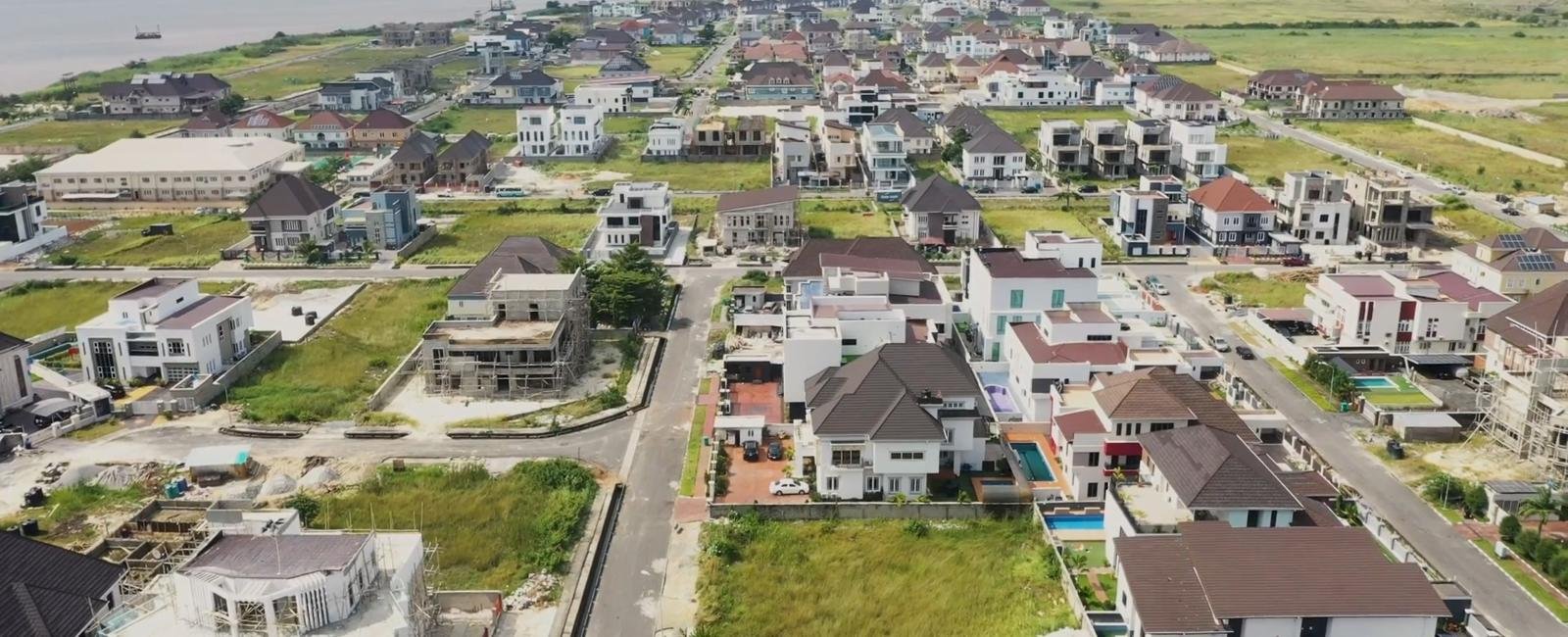
In 2023, the Lagos State Building Control Agency (LASBCA) conducted demolition exercises in Lekki, Magodo, and Ikoyi, removing structures built without approval or on drainage alignments.
Despite the high value of these properties, many owners lost millions due to failure to obtain permits or heed stop-work orders. These cases demonstrate that compliance is non-negotiable, no matter the class or cost of development.
10. Legal Remedies for Unlawful Demolition
Where demolition occurs unlawfully—without notice or court order—owners can:
-
File a Judicial Review Application or Fundamental Rights Enforcement suit.
-
Seek injunctions and damages against the State or its agents.
-
Demand fair hearing and compensation where procedural steps were bypassed.
However, these remedies depend on whether the structure was initially lawful and whether procedural due process was violated.
Conclusion
Avoiding demolition in Lagos is not luck—it is compliance. The law is clear, the procedures are structured, and the agencies are increasingly digital and transparent. As a responsible property owner, ensure every development step is legally backed, professionally supervised, and structurally sound. Compliance is cheaper than demolition.
Call to Action
At Chaman Law Firm, we specialize in property law, real estate transactions, building compliance, and government approvals. If you have received a contravention or demolition notice, or if you need legal guidance to process your building permit and stay compliant –