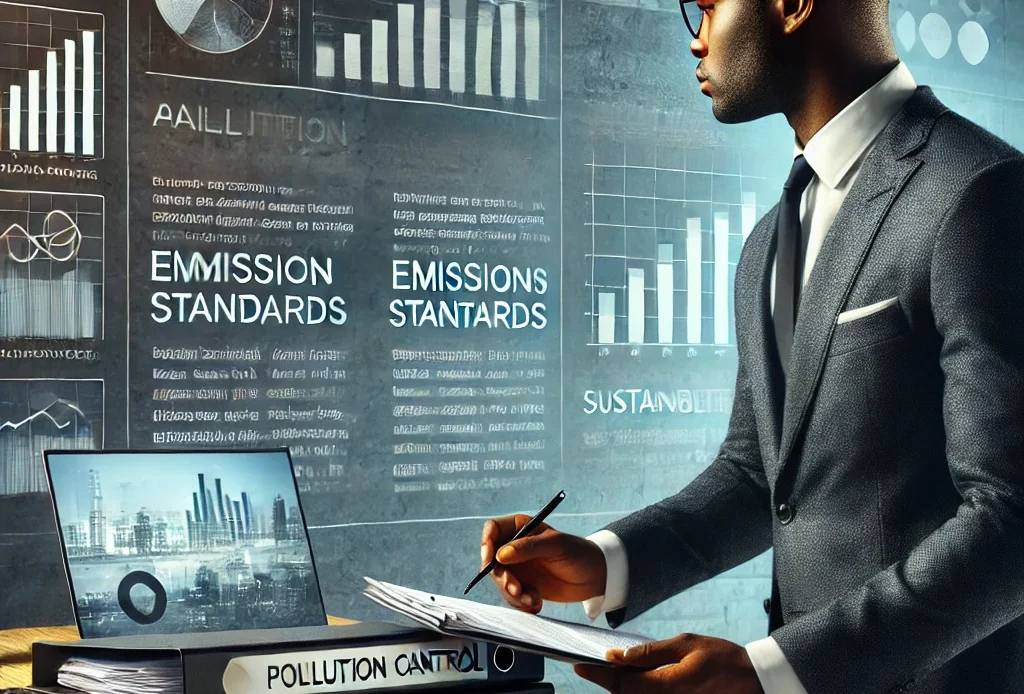
Pollution control regulations are legal frameworks designed to minimize environmental pollution, protect public health, and ensure sustainable development. At Chaman Law Firm, we offer expert legal guidance on compliance with pollution control laws, helping businesses, organizations, and individuals navigate complex regulatory requirements. Our Pollution Control Regulations services are tailored to address your unique needs, ensuring environmental compliance and mitigating risks.
What Are Pollution Control Regulations?
Pollution control regulations encompass a set of laws, guidelines, and standards aimed at controlling pollution in air, water, soil, and noise. These regulations are enforced by local and international agencies to ensure industries and individuals reduce their environmental impact through proper waste management, emissions control, and resource conservation.
Types of Pollution Covered by Regulations
1. Air Pollution
Standards for emissions from vehicles, industries, and power plants.
2. Water Pollution
Regulations governing the discharge of wastewater, effluents, and contaminants into water bodies.
3. Soil Pollution
Restrictions on improper waste disposal, agricultural chemicals, and industrial spills.
4. Noise Pollution
Limits on noise levels from industrial, transportation, and recreational activities.
5. Marine Pollution
Guidelines for preventing and managing pollution in oceans and coastal areas.
Importance of Pollution Control Regulations
1. Environmental Protection
Ensures ecosystems are preserved and biodiversity is protected.
2. Public Health Safeguards
Reduces the risk of diseases caused by exposure to pollutants.
3. Sustainable Development
Encourages industries to adopt eco-friendly practices and technologies.
4. Compliance and Risk Management
Avoids legal penalties, fines, and reputational damage for non-compliance.
5. Economic Benefits
Promotes resource efficiency and waste reduction, lowering operational costs.
Common Challenges in Pollution Control Compliance
1. Complex Regulatory Frameworks
Understanding and complying with multiple layers of local, national, and international regulations.
2. Technological Requirements
Adopting advanced pollution control technologies can be costly and time-consuming.
3. Monitoring and Reporting
Maintaining accurate records and submitting regular compliance reports to authorities.
4. Enforcement Actions
Facing penalties or legal action due to non-compliance or regulatory violations.
5. Stakeholder Resistance
Balancing the interests of stakeholders while implementing pollution control measures.
Our Approach to Pollution Control Compliance
At Chaman Law Firm, pollution control lawyers in Nigeria provide comprehensive legal support to address pollution control issues effectively:
1. Regulatory Compliance Advisory
Helping businesses and individuals understand and comply with applicable pollution control laws.
2. Environmental Impact Assessments (EIA)
Conducting EIAs for projects to evaluate and mitigate potential environmental impacts.
3. Permit and Licensing Assistance
Securing necessary permits for emissions, wastewater discharge, and waste management.
4. Litigation and Dispute Resolution
Representing clients in environmental disputes, enforcement actions, and legal proceedings.
5. Policy Development and Training
Assisting organizations in creating internal policies and training programs for pollution control.
6. Monitoring and Auditing
Conducting environmental audits to ensure compliance with pollution control regulations.
Why Choose Chaman Law Firm?
Expertise in Environmental Law
Our team has in-depth knowledge of pollution control regulations and their practical applications.
Tailored Legal Solutions
We provide customized advice and strategies to meet your specific needs and industry requirements.
Proven Track Record
Our firm has successfully assisted clients in achieving compliance and resolving environmental disputes.
Commitment to Sustainability
We are dedicated to promoting eco-friendly practices and sustainable development.
Client-Centered Approach
We prioritize your goals and work diligently to achieve the best outcomes.
Frequently Asked Questions
Q: What are the penalties for violating pollution control regulations?
Penalties can include fines, operational shutdowns, and legal actions, depending on the severity of the violation.
Q: Do all businesses require an environmental permit?
Most businesses involved in activities with potential environmental impacts must obtain permits or licenses.
Q: How can businesses reduce pollution and ensure compliance?
Implementing sustainable practices, adopting advanced technologies, and conducting regular audits can help.
Q: What is the role of an EIA in pollution control?
An EIA identifies potential environmental impacts of projects and outlines measures to mitigate them.
Q: Can pollution control disputes be resolved outside of court?
Yes, disputes can often be resolved through mediation, negotiation, or arbitration.
Contact Us for Expert Legal Support on Pollution Control
If you need legal assistance with pollution control compliance or disputes, trust Chaman Law Firm to provide reliable and results-driven services.